Unverified Claims Spark Global Speculation on Iranian Leadership
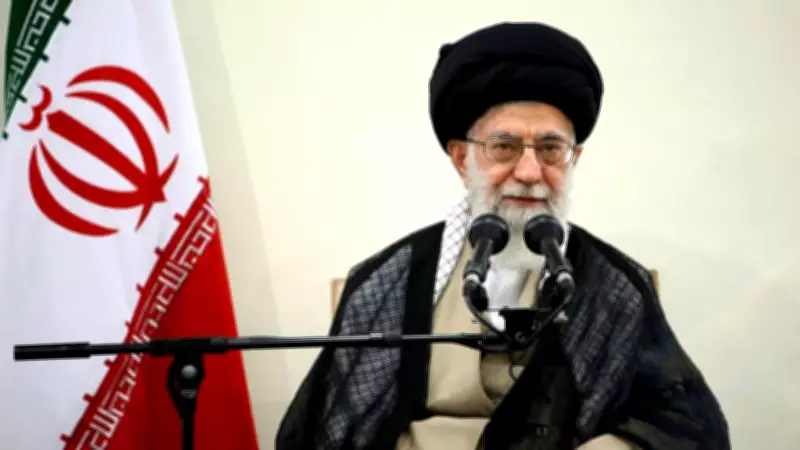
Recent unverified reports and statements have ignited widespread speculation regarding the health and status of Iran's Supreme Leader, Ayatollah Ali Khamenei. These claims, which have not been officially confirmed by Iranian authorities, have raised questions about potential political instability in the region and its broader implications for international relations.
Context of the Reports
The speculation stems from various sources, including social media posts and international media outlets, that have circulated assertions about Khamenei's condition. It is crucial to note that Iranian state media has not released any official statements confirming these reports, leaving the situation shrouded in uncertainty. Historically, the supreme leader holds a pivotal role in Iran's political and religious framework, making any potential transition a matter of significant concern.
Potential Implications for Iran and Beyond
If the reports were to be verified, the death of Ayatollah Ali Khamenei could trigger a complex succession process within Iran's political system. As the highest authority in the country, his leadership influences domestic policies, foreign relations, and regional dynamics. Analysts suggest that such an event might lead to:

- Internal Power Struggles: Competing factions within Iran's political elite could vie for influence, potentially destabilizing the government.
- Regional Tensions: Neighboring countries and global powers might reassess their strategies, given Iran's role in Middle Eastern geopolitics.
- Economic Uncertainty: Markets, particularly in the energy sector, could experience volatility due to fears of supply disruptions or policy shifts.
Global Reactions and Cautious Monitoring
World leaders and international organizations have adopted a cautious stance, refraining from official comments until credible information emerges. This prudence reflects the sensitivity of the situation and the potential for misinformation to exacerbate tensions. In the meantime, diplomatic channels are likely being utilized to gather intelligence and prepare for various scenarios.
Historical Precedents and Future Outlook
Iran has experienced leadership transitions in the past, such as the death of Ayatollah Ruhollah Khomeini in 1989, which led to Khamenei's ascension. However, the current geopolitical climate, marked by ongoing conflicts and economic challenges, adds layers of complexity to any potential change. Observers emphasize the need for verified facts before drawing conclusions, as premature assumptions could fuel unrest or miscalculations.
As the situation develops, it remains imperative to rely on official sources and avoid spreading unconfirmed information that could contribute to instability. The international community continues to monitor events closely, recognizing the profound impact that leadership changes in Iran could have on global affairs.