Should Public Servants Have a Voice in Manager Performance Reviews?
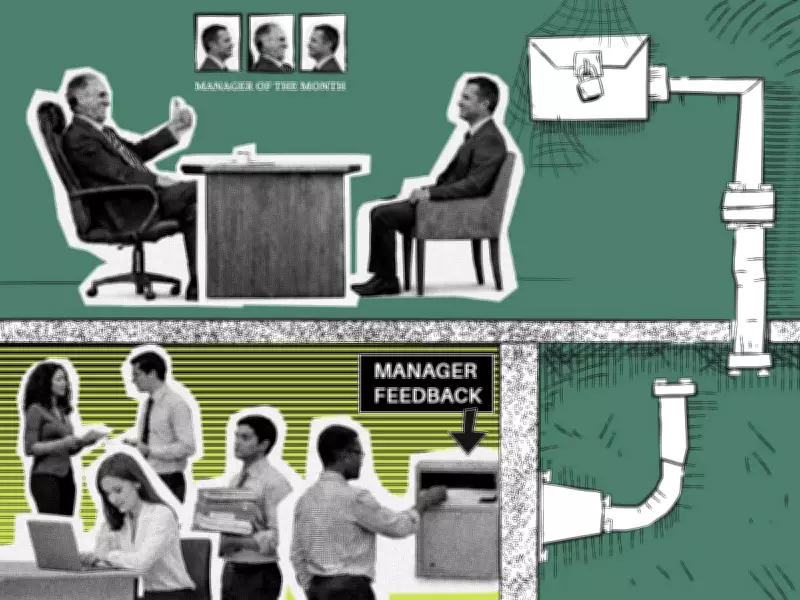
A thought-provoking question has emerged from within Canada's federal public service: Should employee feedback be incorporated into the performance assessments of supervisors and managers? This inquiry challenges the traditional top-down evaluation model and raises important considerations about leadership effectiveness and organizational health.
The Case for Upward Feedback
Scott Taymun, a former federal executive with over three decades of experience across seven departments, acknowledges the compelling logic behind this suggestion. "How a leader treats their team is a critical component for success," he notes, "but current performance metrics primarily assess from a top-down perspective." This traditional approach often means that leadership issues remain unidentified until significant problems emerge, potentially compromising project outcomes and organizational performance.
The private sector has already embraced this concept extensively. According to Forbes research, more than 85 percent of Fortune 500 companies utilize upward feedback systems. These mechanisms support employee engagement, leadership development, and performance management while contributing to improved organizational outcomes. The practice represents an industry best practice that many forward-thinking employers have adopted.

Practical Challenges and Concerns
Despite recognizing the potential benefits, Taymun expresses reservations about implementing mandatory upward feedback across the federal public service at this time. Several practical limitations and potential negative consequences give him pause. The public service encompasses diverse organizational cultures across departments, with significant differences between National Capital Region headquarters in Ottawa and front-line service delivery in regional offices.
"I don't think a one-size-fits-all approach would work for many," Taymun explains. "The dynamics and expectations of both employees and managers can vary significantly across policy and program areas, in unionized and non-unionized functional areas, and in front-line organizations like CBSA, the RCMP, or Service Canada."
Additional concerns include whether all employees would feel comfortable providing honest feedback about their supervisors and whether all managers would genuinely welcome such input. Organizational context matters significantly, and Taymun worries about managers being criticized for dynamics outside their control, particularly during challenging periods like the pandemic or government expenditure reviews.
Alternative Approaches and Solutions
Rather than mandating employee comments as a formal component of performance assessments, Taymun suggests alternative approaches that might prove more effective. Voluntary 360-degree assessments represent one promising alternative, allowing for comprehensive feedback while maintaining flexibility. Departmental deputies could also utilize results from the Public Service Employee Survey to identify areas where leadership quality requires additional attention and where upward feedback mechanisms might be most beneficial.
Drawing from his experience as a director general, Taymun describes how he cultivated a culture of two-way dialogue during performance assessments. "I made a point of making my performance assessments a two-way dialogue and worked hard to assure my team that I welcomed and expected feedback on me as part of the discussion," he recalls. "I even told my staff that if they saw me doing something stupid, I expected them to tell me and help prevent me from 'breaking my nose.'"
The Path Forward for Public Service Leadership
While stopping short of endorsing mandatory upward feedback, Taymun strongly supports the underlying principle that employee perspectives matter for leadership development. Many public servants are reportedly desperate to find ways to improve system effectiveness, and better employee engagement could help flag issues, illuminate leadership blind spots, and foster collaborative problem-solving.

"Ultimately, I can't agree with you more that how a leader treats their team is a critical component for success," Taymun concludes. "More needs to be done across the system to leverage employee feedback as a valuable way to improve managerial self-awareness, help transform managers into leaders, and strengthen overall organizational performance."
The fundamental question remains how best to achieve this goal within the complex ecosystem of federal public service. As organizations continue to evolve, finding balanced approaches to upward feedback may prove essential for developing more effective leadership and improving public service delivery across Canada.