In the wake of the military action launched by the United States and Israel against Iran, a flurry of narratives has emerged, many painting a dire picture of American prospects. However, a closer examination reveals that several key claims are not only misleading but actively distort the facts on the ground.
Addressing the Falsehoods
Critics from across the political spectrum have been vocal in asserting that the United States is faltering in this conflict. Yet, as Ben Shapiro points out, these assertions often lack substance and are driven more by panic than by a sober analysis of the situation. The war, which began less than two weeks ago, is still in its early stages, and premature declarations of failure are unwarranted.
Lie No. 1: The War is a Quagmire
The first myth suggests that the United States has stumbled into another prolonged Middle East war, destined to drag on for years with catastrophic escalation. This claim is absurd when considering the timeline. At just twelve days old, this conflict is far from the decades-long engagements seen in Vietnam or even the year-long Spanish-American War. Wars evolve over time, and labeling it a quagmire so soon is less about analysis and more about fostering unnecessary fear.

Lie No. 2: Iran is Somehow Winning
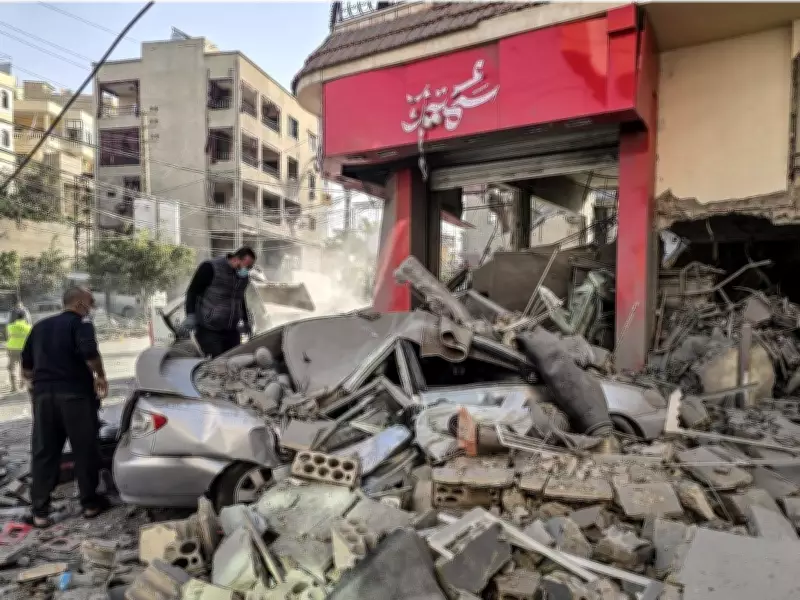
A second widespread claim insists that Iran is holding strong and even gaining the upper hand. Reality, however, tells a different story. Iran's military capabilities have been significantly degraded, with missile and drone infrastructure heavily targeted and naval assets reportedly suffering severe losses. Compounding these issues is leadership turmoil following the death of Supreme Leader Ali Khamenei, which has triggered a chaotic succession struggle. His presumed heir, Mojtaba Khamenei, appears to lack both political support and legitimacy, indicating that the regime is scrambling to maintain control rather than projecting strength.
Lie No. 3: The Oil Shock Will Break the United States
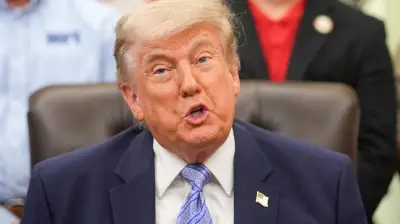
The final warning centers on economics, with critics arguing that Iran could shut down the Strait of Hormuz, sending global oil prices skyrocketing and crippling the American economy. While markets initially reacted with fear, causing a brief spike in oil prices, this panic faded quickly. Within days, crude prices fell back below $90 a barrel. Markets respond to reality, and the reality is that Iran faces severe consequences if it attempts to disrupt this vital shipping lane. President Donald Trump has made it clear that any such action would trigger an overwhelming American response, aimed at ensuring global energy flow continues unimpeded.
The Importance of Scrutiny Without Hysteria
While democracies require healthy skepticism and debate, it is crucial to distinguish between legitimate scrutiny and baseless hysteria. The current narratives promoted by critics often ignore the basic facts: Iran's military is under severe pressure, its leadership is unstable, and the predicted economic fallout has yet to materialize. This does not guarantee a quick or clean resolution, as war is inherently unpredictable, but it does suggest that the portrayal of inevitable American failure is far removed from the reality unfolding in the Middle East.
In conclusion, as the conflict continues, it is essential to focus on the actual developments rather than succumb to alarmist talking points. The truth on the ground matters far more than the myths being circulated, and a clear-eyed assessment is necessary for understanding the strategic dynamics at play.