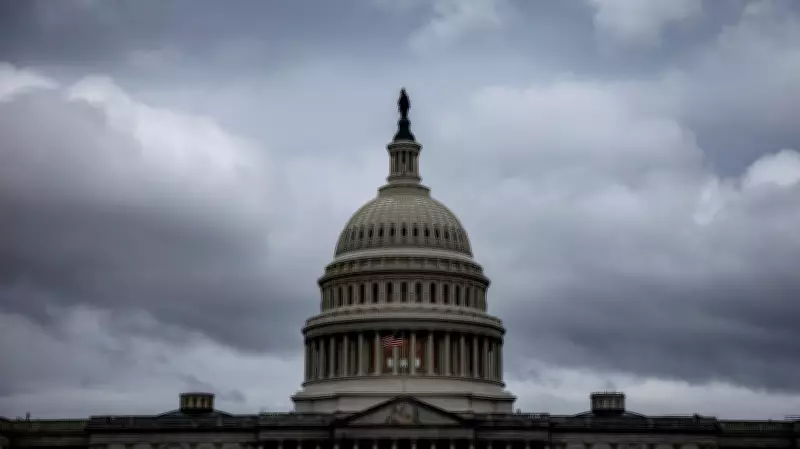
After weeks of stalled negotiations, the U.S. Senate early Friday morning finally approved funding for most of the Homeland Security Department, bringing an end to a six-week impasse that had caused significant havoc at airports and disrupted travel for countless passengers across the nation.
No Clear Winners in Funding Battle
Despite the resolution, the outcome left both major political parties dissatisfied. Republicans did not secure the additional funding they had pushed for Immigration and Customs Enforcement and Customs and Border Protection, the two agencies central to President Donald Trump's immigration enforcement efforts. Meanwhile, Democrats failed to achieve the reforms to ICE they had demanded, particularly in the wake of the deaths of two Americans by federal immigration agents in Minnesota earlier this year.
Political Reactions and Missed Opportunities
Senate Majority Leader John Thune, a Republican from South Dakota, commented on the situation shortly after the funding bill passed via a voice vote just after two o'clock in the morning. "That ship has sailed. They kissed that opportunity goodbye by failing to provide funding for those agencies," he stated, referring to Democrat hopes for ICE reforms.

On the other side, Senate Minority Leader Chuck Schumer, a Democrat from New York, argued that the outcome could have been reached much sooner. "Democrats held firm in our opposition that Donald Trump's rogue and deadly militia should not get more funding without serious reforms, and we will continue to fight for those reforms," he declared in a speech on the Senate floor.
Limited Reforms and Ongoing Challenges
While Democrats remained united in blocking extra funds for ICE, their broader goal of reforming the agency, which has been criticized for using violent tactics against both noncitizens and citizens, remains unfulfilled. ICE will continue to operate normally, thanks to $75 billion it received from Trump's One Big Beautiful Bill last year.
The newly passed funding bill includes some provisions, such as money for body-worn cameras and de-escalation training, but it lacks other changes Democrats had sought. These included requirements for agents to identify themselves, stop wearing masks, and obtain judicial warrants before forcibly entering homes.
Historical Context and Political Strategy
Similar to previous shutdown fights, such as the one over extending Affordable Care Act insurance subsidies, Democrats were unable to extract any policy concessions from Republicans. Forcing a government shutdown while in the congressional minority has historically not worked for either party, even if it energizes base voters eager to see their politicians take a stand.
Both the full-fledged government shutdown over health care last year and this year's shutdown of the Department of Homeland Security have allowed Democrats to highlight contrasts with President Trump. His pursuit of unpopular policies, such as cutting off SNAP aid and invading Iran, along with self-aggrandizing actions like tearing down the East Wing and putting his name on U.S. currency, has done little to address immediate crises, driving down his poll numbers.
Election Bill Stalls as Republicans Recess
Senate Republicans left Washington on Friday for a previously scheduled two-week Easter recess without taking further action on the SAVE America Act, a major priority for Trump and his conservative allies. This bill would require proof of citizenship, such as a passport or birth certificate, to vote.
Proponents of the bill had urged the Senate to cancel the recess and stay in session until it was passed, warning of potential electoral consequences for Republicans in the midterm elections. However, no Republican objected to the recess, not even Senator Mike Lee of Utah, a leading advocate who had been calling for extended debate on the bill.

House Republicans Consider Amendments
Lee is now urging angry House Republicans to reject the Senate's funding draft and attach the SAVE America Act to it, a move that would likely prolong the DHS shutdown since the Senate is not scheduled to return until April 13. House Speaker Mike Johnson, a Republican from Louisiana, has indicated that House Republicans might reject the Senate bill, but TSA workers are expected to be paid thanks to an executive order signed by President Trump on Friday.
Trump declared a national emergency to allocate funds, bypassing Congress's spending authority. In a post on his social media platform Truth Social, he wrote, "It is not an easy thing to do, but I am going to do it! I want to thank our hardworking TSA Agents and also, ICE, for the incredible help they have given us at the Airports. I will not allow the Radical Left Democrats to hold our Country hostage any longer."
Impact on Workers and Future Outlook
This action comes too late for the more than 480 TSA workers who have quit since the shutdown began in February, and for many others who have faced financial hardships without pay. The political standoff underscores the ongoing challenges in achieving bipartisan solutions on critical issues like immigration and election security, leaving the nation grappling with the consequences of prolonged governmental dysfunction.