Senate Democrats introduced a bill on Thursday that would raise the federal minimum wage to $25 per hour over five years, drawing a sharp contrast with Republicans as many workers struggle with rising costs. The legislation mirrors a House bill from earlier this year, signaling growing party consensus around a $25 wage floor. The current federal minimum wage has remained at $7.25 per hour for 17 years.
Key Details of the Proposed Legislation
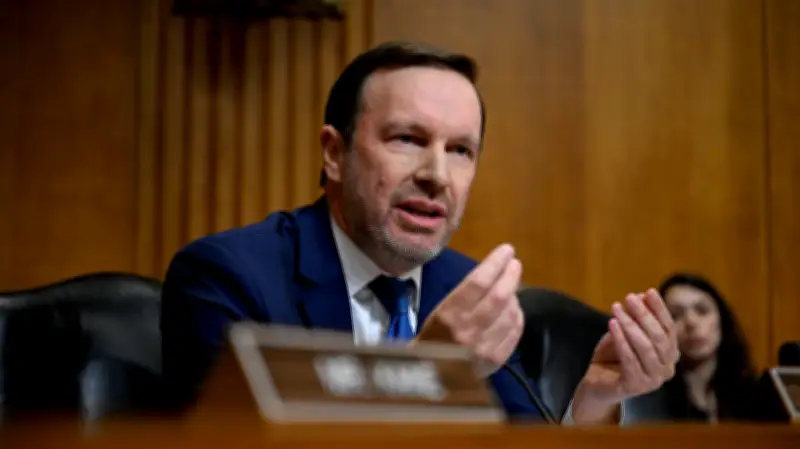
Sen. Chris Murphy (D-Conn.), a lead sponsor, stated at a press conference outside the U.S. Capitol, "There is no reason that somebody should go to work full time in this country and not be able to pay their bills. It is time that everybody that works makes a dignified wage." The bill faces long odds with Republican control of Congress and President Donald Trump in the White House, but Democrats aim to show they are attuned to working-class concerns ahead of the midterm elections.
Progressive lawmakers are also pushing for increased overtime pay, caps on childcare costs, a ban on surveillance pricing by retailers, and a government-run generic drug program. These proposals form an "affordability" agenda designed to pressure Trump and Republicans amid inflation and rising gasoline prices driven by the war in Iran. A recent NPR/PBS/Marist poll found 60% of respondents disapprove of Trump's handling of the economy, with only one-third approving—lower than former President Joe Biden's ratings.

Impact on Workers and States
Sen. Richard Blumenthal (D-Conn.) said, "We all know that Donald Trump has inflated all of the costs of living in this country. People cannot make ends meet on less than $25 an hour." The minimum wage hike is popular among voters, but most Republicans oppose it, arguing it would kill jobs. While many states have raised their own wage floors, 16 states still adhere to the federal $7.25 rate.
Democrats previously pushed for a $15 minimum wage, but inflation has shifted their target higher. The bill includes a long phase-in period: large companies (500+ employees or $1 billion+ revenue) must reach $25 by 2031, while smaller employers have until 2038. After phase-in, the wage would be indexed to two-thirds of the national median hourly pay. The bill also eliminates the tipped minimum wage for restaurant servers and other gratuity-earning workers.
Economic Implications
According to the Economic Policy Institute's wage tracker, an estimated 66 million workers earn less than $25 per hour—equivalent to a salary of about $50,000. A $25 minimum wage would significantly boost incomes for these workers, though opponents warn of potential job losses. The bill is part of a broader Democratic strategy to highlight affordability issues in the 2026 elections.