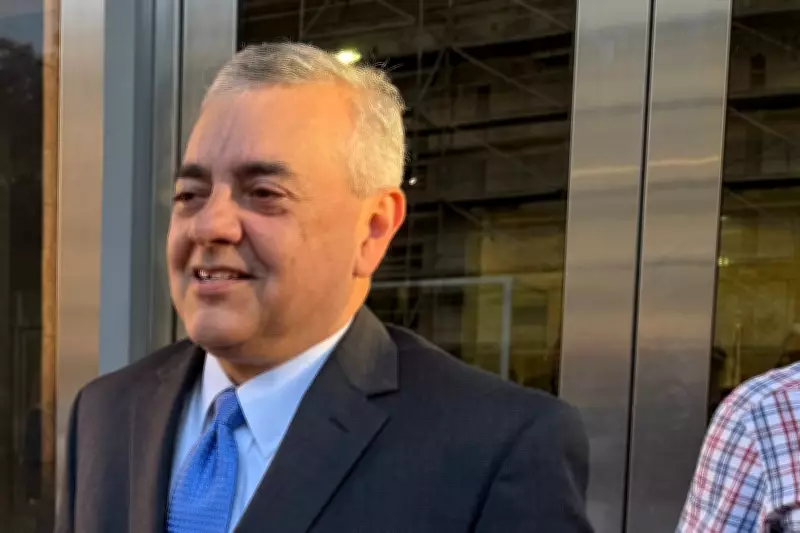
Senator Rubio Takes the Stand in High-Profile Lobbying Case
In a significant development in a federal courtroom in Miami, U.S. Senator Marco Rubio testified on Tuesday, March 24, 2026, in the trial of former Florida congressman David Rivera. Rivera is accused of engaging in illegal lobbying activities on behalf of the Venezuelan government without properly registering as a foreign agent, a case that has drawn national attention due to its political implications.
Details of the Allegations and Court Proceedings
The trial, held at the James Lawrence King Federal Building, centers on charges that Rivera failed to disclose his work for Venezuela's state-owned oil company, PDVSA, and other entities linked to the government. Prosecutors allege that Rivera received substantial payments for these services while concealing the nature of his relationships, violating the Foreign Agents Registration Act (FARA).
Senator Rubio's testimony is considered crucial, as he has been a vocal critic of the Venezuelan regime and may provide insights into Rivera's connections and activities. During his appearance, Rubio answered questions about his knowledge of Rivera's dealings and the broader context of U.S.-Venezuela relations. The senator emphasized the importance of transparency in foreign lobbying to prevent undue influence on American policy.

Background on David Rivera and the Case
David Rivera, a Republican who served in the U.S. House of Representatives from 2011 to 2013, has long been a controversial figure in Florida politics. His legal troubles began in 2025 when federal investigators uncovered evidence suggesting he acted as an unregistered agent for Venezuela. The trial has highlighted the risks of covert foreign lobbying and the enforcement of FARA, which requires individuals to disclose their work for foreign governments.
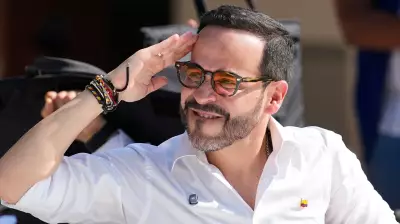
Rivera arrived at the courthouse on Tuesday, maintaining his innocence. His defense team argues that his actions were lawful and that any failures to register were unintentional. The prosecution, however, contends that Rivera knowingly evaded disclosure requirements to advance Venezuelan interests, potentially compromising national security.
Broader Implications and Political Reactions
This case underscores ongoing concerns about foreign interference in U.S. politics, particularly involving adversarial nations like Venezuela. Legal experts note that the outcome could set a precedent for how FARA is applied in similar cases, affecting future lobbying regulations. Political observers are watching closely, as the trial may impact public trust in government officials and highlight the need for stricter oversight.
In response to the trial, some lawmakers have called for reforms to strengthen FARA enforcement and increase penalties for violations. The testimony from high-profile figures like Senator Rubio adds weight to these discussions, emphasizing the bipartisan nature of the issue. As the trial continues, further details are expected to emerge, shedding light on the complexities of foreign lobbying and its legal boundaries.