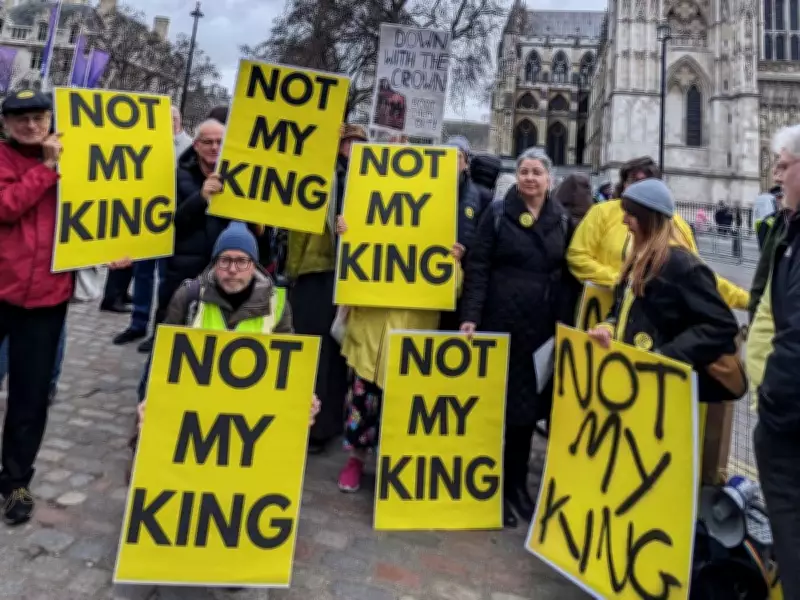
Anti-Monarchy Group Republic Takes Credit for Former Prince Andrew's Arrest
In a dramatic development for the British monarchy, Andrew Mountbatten-Windsor, formerly known as Prince Andrew, was arrested by British police on Thursday on suspicion of misconduct in public office. The arrest marks a historic moment, as it is the first time a senior royal has been detained since 1647, dealing another blow to a monarchy already facing significant challenges.
The allegations center on accusations that Andrew shared confidential information with Jeffrey Epstein while serving as a British trade envoy. This arrest has sent shockwaves through royal circles and sparked intense public debate about accountability and the future of the institution.
Republic's Bold Claim of Responsibility
The anti-monarchy organization Republic has publicly claimed responsibility for triggering the arrest, citing a report it submitted to Thames Valley Police on February 9. In a press release issued on Thursday, Republic's CEO Graham Smith stated unequivocally, "Make no mistake, this is a result of Republic's action." He elaborated that the group reported Andrew to authorities when others hesitated to act and has been pursuing a private prosecution due to perceived police reluctance.

Smith further indicated that Republic's legal team will continue investigating related alleged offenses and providing information to police in the coming weeks and months. He suggested that other senior royals might be material witnesses or could have committed offenses themselves, hinting at broader implications for the royal family.
Royal Response and Palace Position
King Charles III, Andrew's brother, confirmed the arrest in an official statement, expressing "deepest concern" about the situation. He emphasized the need for a "full, fair and proper process" to investigate the matter through appropriate channels. Notably, Buckingham Palace clarified that it was not informed of the arrest beforehand, highlighting the independence of the police action from royal influence.
This separation underscores the legal autonomy in the case, even as it involves a former senior member of the monarchy. The palace's stance reflects an attempt to balance familial concern with respect for judicial procedures.
Who Is Republic and Its Leader Graham Smith?
Republic is a British advocacy group founded in 1983 that campaigns for the abolition of the monarchy and its replacement with a democratic alternative. The organization gained more structure in the early 2000s and reported a surge to 30,000 supporters in 2013 following the announcement of Prince William's wedding.
Graham Smith, as Republic's CEO, has been a persistent critic of the royal family for decades. In 2008, he authored an op-ed in The Guardian titled "Don't be a meddling monarch, Charles," arguing that then-Prince Charles sought more political power than Queen Elizabeth II and should relinquish the throne to run for president if he desired influence.
Republic has engaged in various high-profile actions, including erecting anti-monarchy billboards across the UK in 2021 when Virginia Giuffre filed a civil suit against Andrew for sexual assault. These billboards featured messages like "Secretive. Divisive. Undemocratic. Abolish the monarchy" and images of Andrew with captions such as "Wanted: a democratic alternative to the monarchy" and "No one is above the law."
Expert Skepticism and Broader Implications
Despite Republic's claims, royal experts and analysts have expressed skepticism about the group's actual influence in the arrest. Many argue that while Republic's report may have contributed, the decision to arrest likely involved complex legal assessments and evidence gathering by authorities independent of activist pressure.
The arrest raises profound questions about the monarchy's resilience and public perception. As the royal family navigates this crisis, the role of anti-monarchist groups like Republic adds a layer of political tension to what is already a sensitive legal and familial matter. The coming weeks will be crucial in determining how this case unfolds and its potential impact on the institution's future.