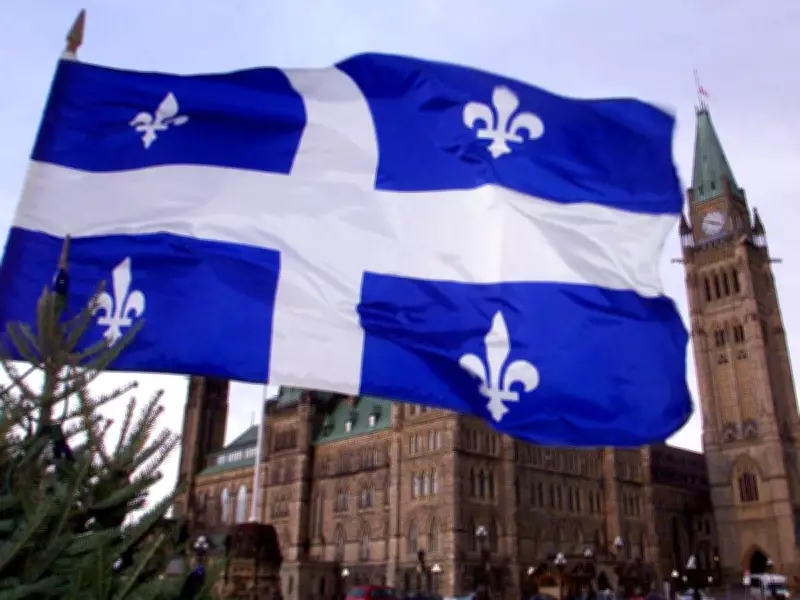
Quebec's Diminishing Role in Canadian Federal Politics
For Canadians who have long criticized Quebec's perceived outsized influence on national politics, recent demographic projections signal a significant shift. According to Statistics Canada's latest data, Quebec's population is projected to dip below 20 percent of Canada's total by 2050, marking a notable decline in its political clout within federal institutions.
Demographic Projections Reveal Stark Changes
Statistics Canada's analysis indicates that in just 24 years, Quebec will represent between 18.1 and 19.1 percent of Canada's population. Meanwhile, Alberta's population is rapidly closing the gap, projected to reach between 13.5 and 16.1 percent of the national total by the same year. Although a 2022 constitutional amendment guarantees Quebec a minimum of 78 seats in the House of Commons, provinces with stronger population growth will gain additional parliamentary representation, inevitably reducing Quebec's relative political weight.
Birth Rates and Immigration Policies Drive the Trend
The demographic shift stems from multiple factors. Quebec's birth rate has plummeted to historic lows, with 2024 marking the first year in the province's history where deaths outnumbered births. This trend is expected to continue, making immigration the sole source of potential population growth. However, the provincial government under François Legault has resisted increasing immigration levels, citing concerns about pressure on public services, housing, and the preservation of the French language.

This policy stance effectively caps Quebec's population at approximately 9 million until 2050. The Parti Québécois, currently leading in polls, proposes even stricter immigration reductions, which could trigger population decline if implemented. From a political perspective, this aligns with separatist objectives, as a smaller Quebec population diminishes its federal influence.
Cultural and Political Disengagement Compounds the Issue
Demographics alone don't explain Quebec's fading federal presence. Quebecers have increasingly distanced themselves from national political engagement, showing less interest in Canada's evolution than in previous generations. Quebec political leaders rarely invest time building relationships with counterparts in Ottawa or other provinces, except when specific issues demand attention. This has resulted in a widespread lack of understanding about Quebec's role in Canada's diversity outside the province.
Federal challenges include difficulty recruiting qualified French-speaking Quebecers for government positions. Symbolic decisions, such as Prime Minister Justin Trudeau appointing a Governor General who doesn't speak French, reflect diminishing emphasis on bilingualism. Pressure from figures like Alberta's Premier to appoint Supreme Court justices unfamiliar with French further erodes commitment to official bilingualism.
Public Perception and Future Implications
A 2024 Léger poll highlights growing disparity: while 70 percent of Quebecers view bilingualism positively, only 35 percent of Canadians outside Quebec share this sentiment. This declining appreciation for linguistic duality, combined with Quebec's demographic stagnation, suggests a profound transformation in Canadian federal politics. Unless Quebec undergoes substantial political changes or reverses its immigration stance, its influence will continue to wane as Alberta and other growing provinces gain prominence.
The era of Quebec's significant federal political influence appears to be ending, driven by demographic realities and policy choices that prioritize linguistic preservation over population growth. As Canada approaches 2050, the political landscape will increasingly reflect these shifting population dynamics, with Quebec playing a diminished role in national decision-making.