Quebec's Political Weight in Canada Faces Steady Decline
For Canadians who have long criticized Quebec's perceived outsized influence on national politics, recent demographic projections offer what might be considered encouraging news. According to Statistics Canada's latest data, Quebec's political significance within the federation is undergoing a gradual but unmistakable erosion.
Demographic Shifts Reshaping Political Landscape
Statistics Canada projections indicate that by 2050—just 24 years from now—Quebec's population will constitute less than 20 percent of Canada's total population, specifically between 18.1 and 19.1 percent. While Quebec's parliamentary seat count is constitutionally protected at 78 representatives, provinces experiencing stronger population growth will gain additional Members of Parliament, inevitably diminishing Quebec's proportional political weight.
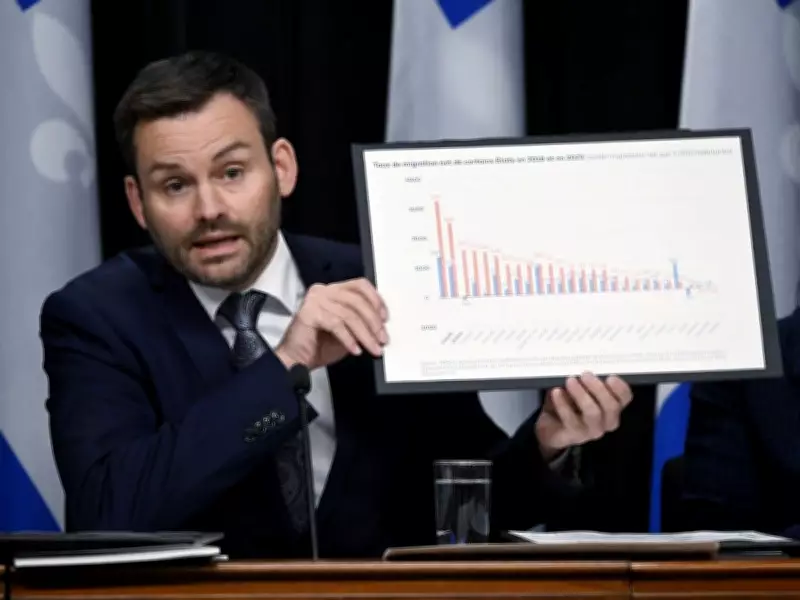
The underlying causes are multifaceted. Quebec's birthrate has plummeted to historic lows, with 2024 marking the first year in provincial history where deaths outnumbered births. This demographic trend shows no signs of reversal, leaving immigration as the sole potential source of population growth. Yet current provincial leadership opposes the elevated immigration levels necessary to sustain population expansion.

Policy Choices Accelerating Political Marginalization
The Legault government's immigration stance has effectively capped Quebec's population at approximately 9 million residents until at least 2050. Compounding this situation, the Parti Québécois—currently leading in polls—proposes even more restrictive immigration policies. Should the PQ form the next provincial government, Quebec's population would likely begin contracting, a development that ironically aligns with the party's separatist objectives by reducing Quebec's federal political influence.
Beyond demographics, Quebec's diminishing federal presence stems from shifting attitudes and engagement patterns. Quebecers demonstrate declining interest in national affairs, with provincial leaders investing minimal effort in cultivating relationships with federal counterparts or other provincial governments. This detachment has resulted in limited understanding of Quebec's role within Canadian diversity among politicians across the country.
Bilingualism and Institutional Representation Under Threat
The erosion of Quebec's influence manifests in concerning institutional developments. In 2021, Prime Minister Justin Trudeau appointed a Governor General who lacks French proficiency—a decision that would have provoked widespread criticism in earlier decades. Meanwhile, pressure mounts from figures like Alberta's premier to appoint Supreme Court justices unable to speak both official languages, inevitably disadvantaging French.
Recent polling reveals stark disparities in attitudes toward bilingualism: while 70 percent of Quebecers view bilingualism positively, only 35 percent of Canadians outside Quebec share this perspective. As Canada's population approaches 49 million by 2050—with many new immigrants having limited French knowledge or attachment to bilingual traditions—this cultural divide threatens to widen.
A Future of Growing Distance
Quebec's decisive role in federal elections, exemplified by its impact on Mark Carney's 2025 victory, will become increasingly rare without intervention. The combination of demographic stagnation, restrictive immigration policies, and declining engagement with national institutions creates a trajectory where Quebecers and other Canadians risk becoming strangers sharing territory without meaningful connection.
Unless Quebecers undertake determined efforts to reverse these demographic and political trends, the province's voice in federal matters will continue fading. The consequence may be a Canada where Quebec exists as a de facto separate entity within the federation, its distinct cultural and linguistic heritage increasingly marginalized in national discourse and decision-making.