Pope Leo XIV, First American Pontiff, Becomes Vocal Critic of Trump
In a historic development, Pope Leo XIV, the first pontiff born in the United States, has emerged as a pointed critic of former President Donald Trump. This marks a significant shift in the relationship between the Vatican and American political figures, with the pope's comments drawing global attention during a time of heightened political tensions.
A New Voice from the Vatican
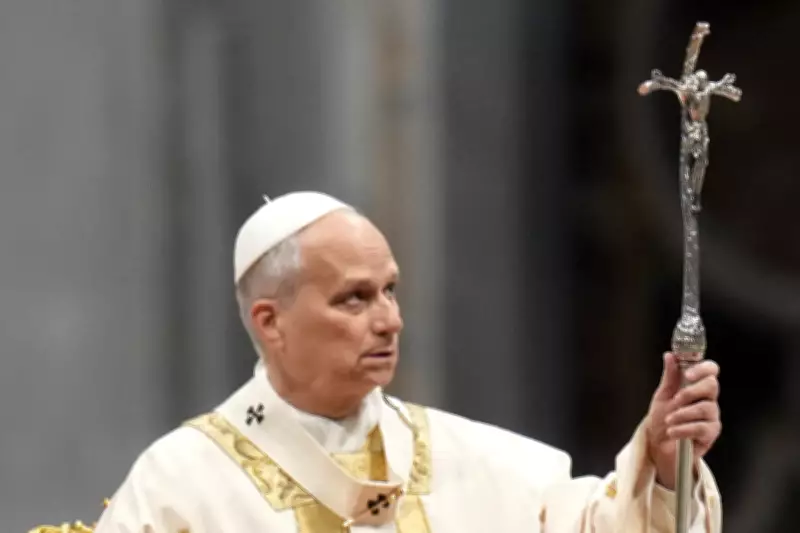
Pope Leo XIV, who celebrated a Chrism Mass in St. Peter's Basilica on April 2, 2026, has used his platform to address what he describes as concerning trends in U.S. politics. His criticism of Trump represents a departure from the typically diplomatic tone adopted by previous popes when commenting on specific world leaders. The pontiff's background as an American gives his words particular weight in both religious and political circles.
The Context of the Criticism
The pope's remarks come amid ongoing debates about Trump's influence on American democracy and international relations. While the Vatican has not released specific statements detailing the nature of the criticism, sources indicate that Pope Leo XIV has expressed concerns about policies and rhetoric that he believes contradict Catholic teachings on social justice, immigration, and environmental stewardship.

- Pope Leo XIV is the first American to hold the papacy, giving him unique insight into U.S. political dynamics
- His criticism represents a more direct approach than his predecessors typically employed
- The timing coincides with increased political polarization in the United States
- The Vatican's influence on global Catholic populations adds significance to the pontiff's statements
Potential Implications
The pope's position as a Trump critic could have far-reaching consequences. It may influence how American Catholics view political candidates and issues, potentially affecting voting patterns in future elections. Additionally, it could strain relations between the Vatican and certain segments of the U.S. political establishment, while strengthening ties with others who share the pope's perspectives.
As the first American pope, Leo XIV's unique position allows him to speak with authority on matters affecting his home country while maintaining the global perspective required of his office. This balancing act will likely continue to shape his papacy and its impact on international relations.
Broader Religious and Political Landscape
The emergence of Pope Leo XIV as a Trump critic occurs within a complex religious and political context. The Catholic Church has historically navigated carefully when commenting on specific political leaders, preferring to address broader principles rather than individuals. This more direct approach signals a potential shift in Vatican communication strategy under the new pontiff.
Observers will be watching closely to see how this development affects:
- The relationship between the Vatican and the U.S. government
- Internal dynamics within the American Catholic community
- The global perception of the papacy's political role
- Future interactions between religious and political leaders worldwide
As Pope Leo XIV continues to establish his leadership style, his willingness to directly address political figures like Donald Trump suggests a papacy that may be more openly engaged with contemporary political debates than those of his immediate predecessors.