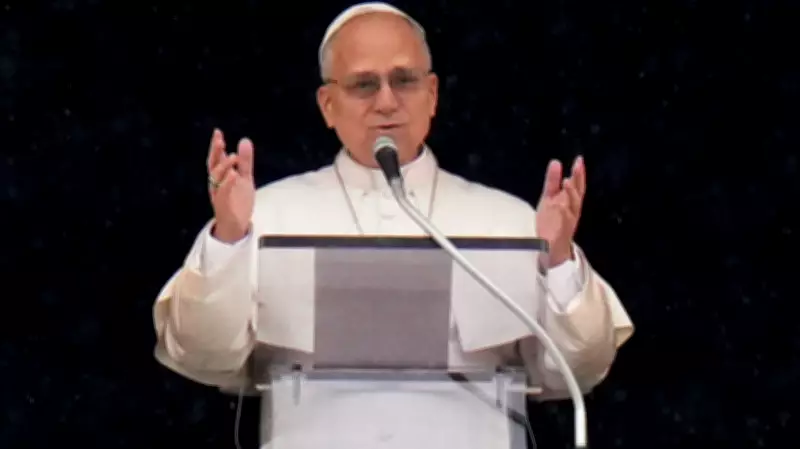
In a strong statement against modern warfare tactics, Pope Leo has issued a sharp condemnation of aerial bombardments, describing them as indiscriminate and advocating for their prohibition. The pontiff's remarks come as the U.S.-Israeli military engagement with Iran enters its fourth week, highlighting his ongoing anti-war stance.
Pope's Firm Stance on Airpower in Conflict
During a meeting with executives and staff from Italy's ITA Airways on Monday, Pope Leo did not explicitly reference the expanding conflict in the Middle East. However, he vehemently decried the use of airpower in warfare, emphasizing the moral implications of such tactics. "No one should have to fear that threats of death and destruction might come from the sky," the pope asserted, underscoring the pervasive anxiety caused by aerial attacks.
Historical Context and Regression
Reflecting on past conflicts, Pope Leo argued that aerial bombings should have been permanently outlawed following the tragic experiences of the 20th century. "After the tragic experiences of the 20th century, aerial bombings should have been banned forever," he stated. "Yet they still exist ... this is not progress; it is regression!" This comment points to a perceived failure in international efforts to curb destructive military practices.

Repeated Calls for Ceasefire in Iran War
The pope's latest comments align with his persistent advocacy for peace in the ongoing war involving the U.S., Israel, and Iran. He has repeatedly called for a ceasefire, labeling the conflict a "scandal to the whole human family" in a statement made on Sunday. This consistent messaging reinforces his role as a vocal critic of global hostilities.
Background on ITA Airways and Papal Travel
ITA Airways, the airline involved in the meeting, is controlled by Germany's Lufthansa and serves as the successor to the bankrupt national flag carrier Alitalia. Notably, it is the airline typically responsible for flying the pope out of Rome during his overseas trips, adding a layer of relevance to the discussion on aviation and its military applications.
As the first U.S.-born pope, Leo's perspectives carry significant weight in international discourse, blending his unique background with steadfast moral convictions against warfare. His critique of aerial bombardments adds to a growing chorus of voices questioning the ethics of modern military strategies, particularly in conflicts like the one unfolding in the Middle East.