World Cup Housing Frenzy Drives New York-Area Airbnb Rates to $6,000 Per Night
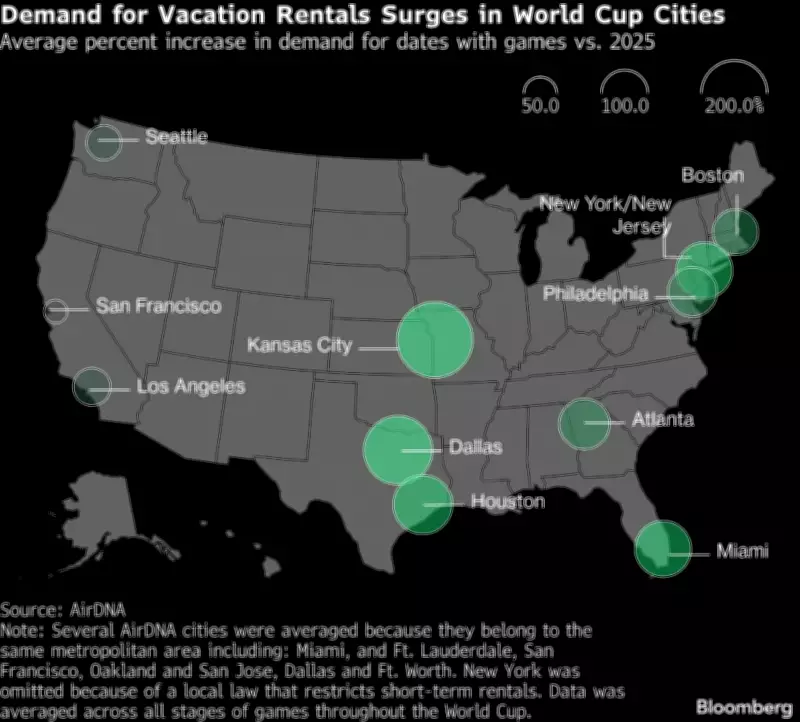
The fervor surrounding the upcoming World Cup is dramatically reshaping the lodging market across host cities in the United States, with properties in the New York metropolitan area commanding staggering rates of up to $6,000 per night. As millions of visitors are expected to descend upon tournament venues, short-term rental hosts are capitalizing on unprecedented demand, creating a lucrative but challenging landscape for travelers.
Tri-State Area Emerges as Epicenter of Rental Boom
The biggest beneficiaries of this year's World Cup are poised to be property owners and managers in the tri-state region surrounding New York City. Bobby Roufaeal, founder of Settled In Property Management, oversees more than a dozen short-term rentals in New Jersey and reports that a single luxury rental could generate approximately $240,000 between June 11 and July 19, the tournament's duration. "They're like, listen, I'll figure it out. I'll go stay with my relatives for the month or for a few weeks just to be able to capitalize on this revenue," Roufaeal said, describing homeowners eager to leverage the opportunity.
Roufaeal has tripled rates for his units in anticipation of the fan influx and is fielding numerous inquiries from homeowners looking to enter the market. This surge is evident in listings such as a six-bedroom Airbnb property in Princeton, New Jersey, priced at roughly $6,000 per night during the World Cup—a 140% increase compared to its rate a year ago, despite being over an hour's drive from matches at MetLife Stadium.

Market Dynamics and Traveler Strategies
The lodging market transformation extends beyond New York, affecting all U.S. host cities expecting millions of visitors throughout the tournament, with matches also held in Mexico and Canada. For hosts, the prospect is highly lucrative, especially as Airbnb offers incentives like up to $750 in cash for first-time listings to boost availability.
However, for travelers, the cost of attendance is escalating rapidly, with prices surging for tickets, hotel rooms, and flights. According to reports from the New York Times, hotel rates in host cities are projected to rise by an average of 300% around opening matches. This economic pressure is forcing fans to adopt creative strategies to manage expenses.
Mehdi Salem, founder of the French soccer fan association Les Baroudeurs du Sport, is organizing accommodations for 80 members to see France play at MetLife. To save money, he is squeezing eight people into rooms designed for four, booked hotels in Manhattan over a year in advance when prices were lower, and is now exploring options in New York City's outer boroughs like the Bronx and Queens, as well as Airbnbs in less-traveled New Jersey neighborhoods. "Some prices are totally ridiculous," Salem remarked, highlighting the affordability crisis.
Data Reveals Occupancy and Price Surges
Analytics from AirDNA, a platform tracking rental demand, rates, and occupancy, reveal significant increases in short-term rental activity. As of March 26, Montclair, New Jersey—a affluent suburb—has experienced a 169% rise in short-term rental occupancy during the group stage compared to the same period last year. Nearby towns including Clifton, Newark, Paterson, and Jersey City have also seen substantial surges, indicating widespread market impact.
Jamie Lane, chief economist at AirDNA, anticipates further price increases as the games approach. "When bookings start, people typically aren't booking the properties that are priced really high," he explained. "Other properties that are more reasonably priced do get booked and then we see the delta between the available rates and the booked rates begin to merge." This dynamic suggests that early, lower-priced bookings may give way to higher rates as availability dwindles, intensifying the housing frenzy.
The World Cup is not only boosting local economies but also testing the limits of hospitality infrastructure, with short-term rentals at the forefront of this transformative period in U.S. sports tourism.