Poll Suggests Rising Conservative Voter Discontent with Leader Pierre Poilievre
A new political poll indicates a significant shift in sentiment among Conservative Party voters, with a growing number now expressing a desire to replace Pierre Poilievre as their leader. This development comes as the party navigates a critical period ahead of potential federal elections, highlighting internal divisions and strategic concerns.
Key Findings from the Survey
The poll, conducted recently, shows that more Conservative supporters are questioning Poilievre's leadership effectiveness. While he has maintained a strong base, the data suggests an erosion of confidence, particularly among moderate and swing voters who are crucial for electoral success. This trend is notable given Poilievre's previous rallying of the party's core base with populist rhetoric and economic critiques.
Specific figures from the survey reveal that a substantial minority of Conservative voters now favor exploring alternative leadership options. This shift is attributed to factors such as perceived communication missteps, policy disagreements, and concerns over electability in a broader national context. The poll underscores a brewing debate within party ranks about direction and messaging as political dynamics evolve.

Context and Implications for the Conservative Party
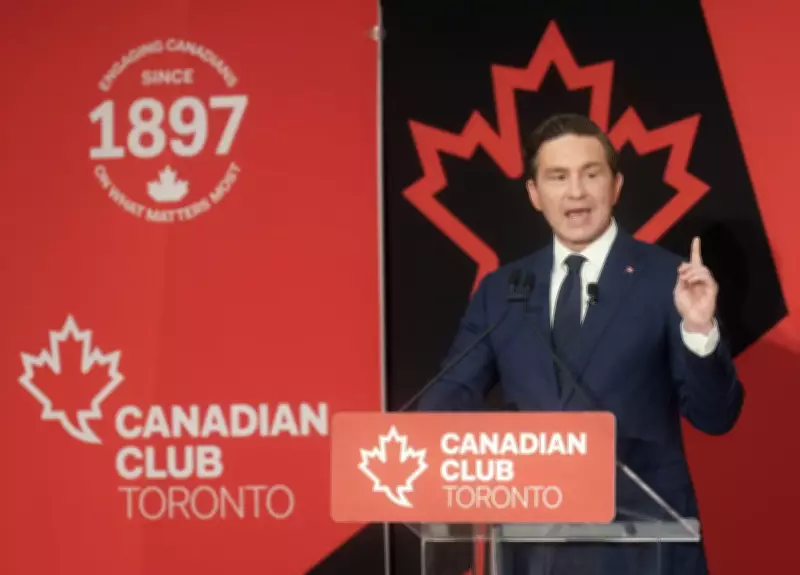
Pierre Poilievre, who has led the Conservatives since 2022, has been a polarizing figure, known for his aggressive stance on issues like inflation, housing, and government spending. However, this poll suggests that his approach may be alienating some segments of the electorate, including traditional Conservative voters who prioritize unity and broad appeal.
The timing of this poll is critical, as it coincides with ongoing parliamentary sessions and preparations for future electoral battles. Party insiders note that leadership reviews are a normal part of political cycles, but the increased calls for change signal potential turbulence. If the sentiment grows, it could lead to internal challenges or pressure for Poilievre to adjust his strategies to regain support.
Broader Political Landscape and Voter Sentiment
This poll reflects broader trends in Canadian politics, where voter loyalty is increasingly fluid. Issues such as economic management, social policies, and leadership character are driving opinions. For the Conservatives, maintaining cohesion while expanding their coalition is a delicate balance, and this poll highlights the risks of failing to do so.
Analysts point out that leadership polls can be volatile, and Poilievre still commands significant backing within the party. However, the emerging discontent could influence party dynamics, fundraising efforts, and candidate recruitment. It may also impact opposition strategies, as rivals seek to capitalize on perceived weaknesses.
In summary, this poll serves as a wake-up call for the Conservative Party, emphasizing the need for introspection and potential recalibration. As political winds shift, how Poilievre and his team respond to this voter sentiment will be closely watched, with implications for Canada's political future.