Conservatives Weigh Foreign Policy Approach After Carney's Davos Remarks
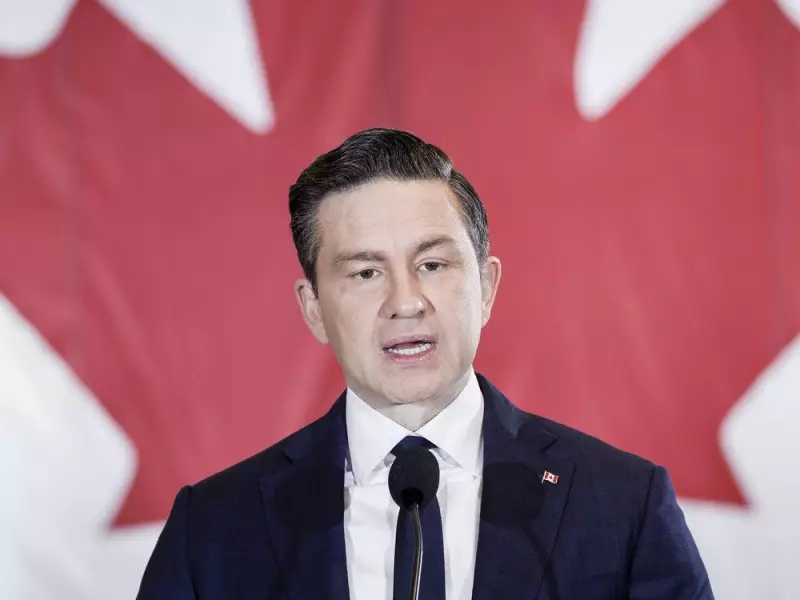
In the wake of Prime Minister Mark Carney's recent address at the World Economic Forum in Davos, Switzerland, Conservative Party members are actively discussing how Opposition Leader Pierre Poilievre should position himself on the international stage. The political landscape has become increasingly complex with the renewed prominence of former U.S. President Donald Trump, whose appearance at the same elite gathering reinforced his controversial ambitions and direct criticisms of Canada.
The Davos Context and Trump's Presence
During the high-profile forum, Trump made headlines by expressing his desire to acquire Greenland and issuing a pointed warning to Canada. He suggested that Canada should demonstrate gratitude toward its southern neighbor, highlighting ongoing tensions in the bilateral relationship. Meanwhile, Prime Minister Carney delivered a speech that, while not mentioning Trump by name, urged middle-power nations to confront hegemonic forces and acknowledge the erosion of the longstanding rules-based international order.
The prime minister's words received significant applause, both internationally and domestically, prompting immediate questions about how Conservative Leader Pierre Poilievre should respond. This dilemma has persisted for Poilievre over the past year, as Canadian public opinion—particularly among voters aged 55 and older—has shown signs of shifting regarding foreign policy priorities.

Strategic Considerations for Poilievre
Ben Woodfinden, former director of communications for Poilievre, emphasized the importance of recognizing current political realities. "The reality is the next election is probably going to be in the next three years, so there's a very good chance that Trump is still president whenever the next election takes place," Woodfinden stated. He added, "I think confronting that reality that (Trump's) not just going to go away, it's unpleasant, and it's less than ideal, but I think it is reality."
Woodfinden argues that Conservatives should maintain focus on their core issues, such as cost-of-living concerns, while simultaneously demonstrating that Poilievre possesses the stature and vision to lead on the global stage. "It's not about making that the only thing they talk about, but I do think it's something that he needs to try and demonstrate," he explained.
Poilievre's Initial Response and Internal Party Dynamics
Poilievre's reaction to Carney's Davos speech has so far been limited to social media. He shared a post by Calgary MP Michelle Rempel Garner, who challenged the prime minister to back his rhetoric about "the hard realities of a fractured geopolitical system" with concrete action. Rempel Garner criticized Carney's address as lacking substantive plans, pointing to what she described as the Liberal government's poor track record over the past decade.
Her post outlined several areas where she believes the government has fallen short:
- Advancing new natural resource projects
- Strengthening military personnel and equipment
- Reducing regulatory burdens
- Pursuing new trade agreements with clear timelines
This comes as Poilievre faces an upcoming leadership review within the Conservative Party. Although a general election does not appear imminent, party members will vote next week on his leadership—a contest he is widely expected to win comfortably, despite the party's loss in the 2025 federal election.
Broader Implications for Canadian Politics
The ongoing debate underscores a critical moment for Canadian foreign policy. As global dynamics shift and the potential for a second Trump presidency looms, political leaders must navigate complex international relationships while addressing domestic concerns. For Poilievre and the Conservatives, the challenge lies in balancing a focus on economic issues with demonstrating credible leadership in foreign affairs.
The discussion also reflects deeper questions about Canada's role in a changing world order. With traditional alliances under strain and new geopolitical realities emerging, how opposition parties articulate their vision for international engagement will be crucial in shaping voter perceptions ahead of the next federal election.