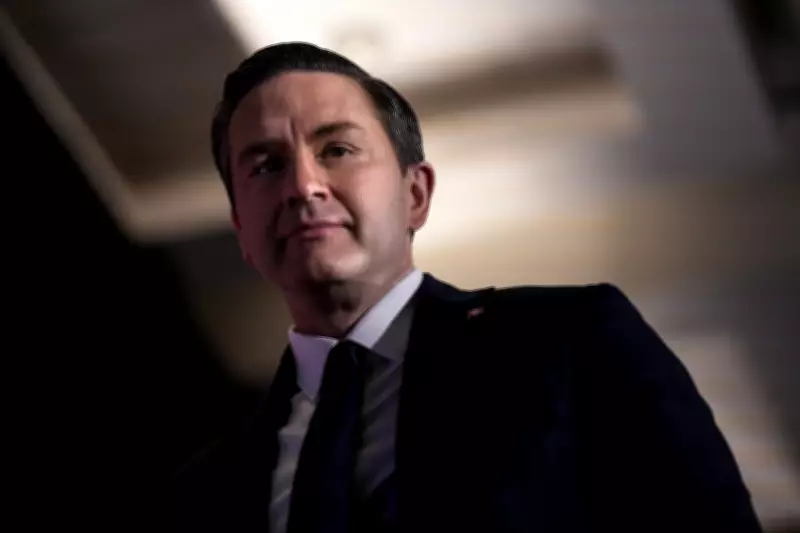
Poilievre Voices Skepticism on Carney's Fiscal Watchdog Proposal
Conservative Leader Pierre Poilievre has publicly expressed reservations about a suggestion from former Bank of Canada governor Mark Carney to establish an independent fiscal watchdog in Canada. This development underscores ongoing political debates over economic oversight and fiscal responsibility.
Details of the Proposal and Political Reaction
Mark Carney, a prominent figure in global finance, recently proposed the creation of an independent body to monitor and report on government fiscal policies, aiming to enhance transparency and accountability. In response, Pierre Poilievre, speaking at an event in Toronto, highlighted his concerns about the potential implications of such a watchdog.
Poilievre argued that while fiscal discipline is crucial, the establishment of an additional oversight mechanism might lead to bureaucratic inefficiencies or overlap with existing institutions. He emphasized the importance of parliamentary accountability and questioned whether a new agency would effectively address economic challenges without adding unnecessary complexity to governance.

Broader Context and Implications
This exchange occurs against a backdrop of heightened political tension in Canada, with discussions on economic policy becoming increasingly polarized. Poilievre's comments reflect broader Conservative Party positions that often prioritize streamlined government and skepticism toward new regulatory bodies.
Analysts note that Carney's proposal aligns with international trends where independent fiscal institutions have been implemented to provide non-partisan assessments of budgetary matters. However, Poilievre's reservations highlight the political hurdles such initiatives may face, particularly in a climate where trust in institutions is a contentious issue.
The debate also touches on the role of former officials like Carney, who has been speculated as a potential future political candidate, adding a layer of personal dynamics to the policy discussion. As this story develops, it is likely to influence ongoing conversations about economic governance and the balance between oversight and efficiency in Canadian politics.