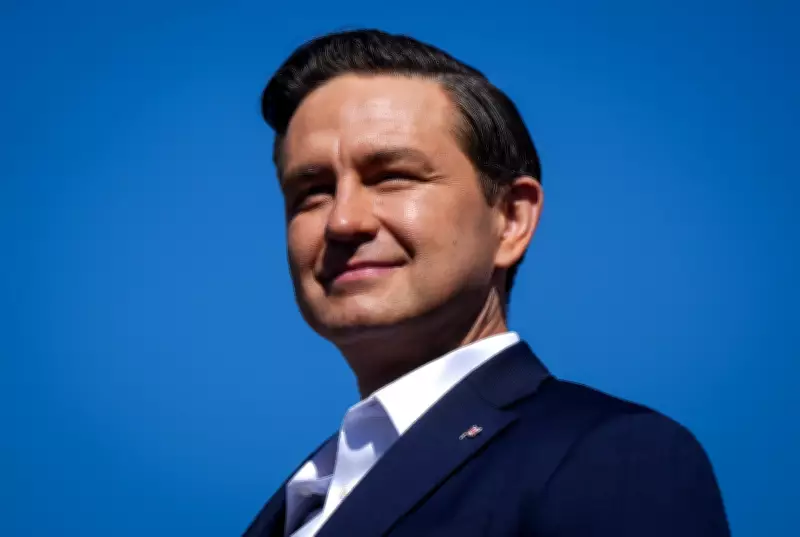
Poilievre Sidesteps Leadership Question Following Another Conservative Defection
Conservative Leader Pierre Poilievre has deflected questions about his leadership after another member of his caucus, MP Marilyn Gladu, crossed the floor to join the Liberal Party. The move marks a significant shift in the political landscape, raising concerns about party unity and direction under Poilievre's stewardship.
Gladu's Departure Sparks Political Debate
In response to Gladu's decision, Poilievre expressed sympathy for her constituents, stating, 'I feel badly for Ms. Gladu's constituents.' However, he notably avoided addressing broader implications for his leadership or the Conservative Party's cohesion. This deflection comes amid a series of high-profile defections that have plagued the party in recent months, fueling speculation about internal dissent.
Prime Minister Carney commented on the floor-crossing, noting that Gladu 'will vote with the government' on social issues, which could impact legislative dynamics. Meanwhile, NDP Leader Avi Lewis criticized the move, saying, 'Don't know what it means to be a Liberal anymore,' highlighting the fluidity of political allegiances in current Canadian politics.

Broader Context of Political Instability
The defection occurs against a backdrop of other political developments, including debates over NATO's future amid Trump's rhetoric and provincial issues in Alberta. These events underscore the volatile nature of Canadian politics, with parties grappling with leadership challenges and shifting voter sentiments.
Key points from the article include:
- Poilievre's refusal to engage with leadership questions post-defection.
- Gladu's alignment with Liberal policies on social issues, as confirmed by PM Carney.
- Reactions from other political figures, such as NDP Leader Avi Lewis.
- The ongoing impact of floor-crossings on party stability and public perception.
This incident adds to a growing list of challenges for Poilievre, who must navigate internal party dynamics while addressing national concerns. As political analysts weigh in, the focus remains on how this defection will influence future Conservative strategies and electoral prospects.