Peruvian Prime Minister Steps Down Amid Pre-Election Political Tensions
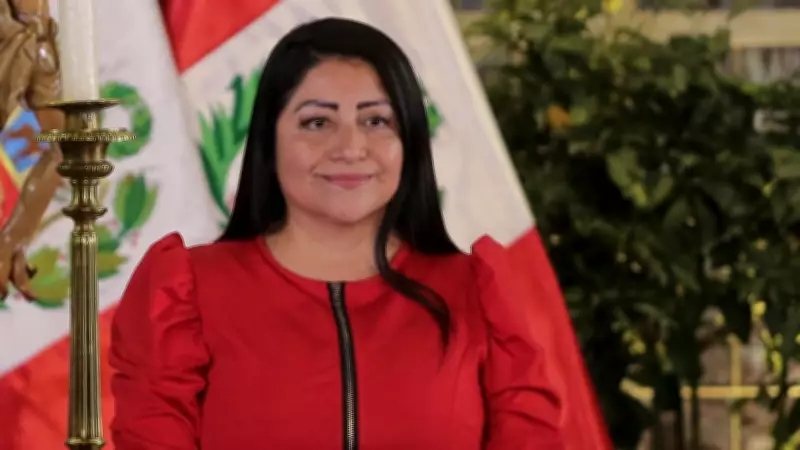
In a significant political development, Peruvian Prime Minister Denisse Miralles has officially resigned from her position, creating a wave of uncertainty within the government just weeks before the nation is scheduled to hold crucial national elections. The resignation was confirmed on March 17, 2026, marking a pivotal moment in Peru's contemporary political landscape.
Timing and Immediate Implications
The timing of Prime Minister Miralles's departure is particularly notable, occurring during the final stretch of the campaign period leading up to the national vote. This move inevitably triggers a period of political recalibration and raises questions about administrative stability during a sensitive electoral phase. The resignation necessitates the appointment of a new prime minister by the president, a process that must now unfold rapidly against the backdrop of an active election cycle.
While the specific, personal reasons prompting Miralles's decision have not been fully detailed in initial reports, such a high-profile resignation at this juncture is widely interpreted as a reflection of the intense pressures and complex dynamics within the Peruvian administration. It underscores the challenging political environment facing the current government.

Broader Political Context
This event occurs within a broader context of political scrutiny and public debate in Peru. The resignation of a sitting prime minister so close to an election is an uncommon occurrence that analysts suggest could influence voter perceptions and campaign strategies across the political spectrum. It introduces a new variable into an already competitive electoral landscape.
The coming weeks will be critical as the government manages this transition while simultaneously adhering to electoral protocols and ensuring the continuity of state functions. The focus will now shift to the presidential palace and its next steps in forming a new cabinet leadership team.
Looking Ahead
Observers both domestically and internationally will be closely monitoring how this resignation impacts the final days of campaigning and the overall conduct of the elections. The stability of Peru's democratic institutions during this transition period remains a paramount concern. The appointment of a successor will be a key indicator of the administration's direction and priorities as it navigates the conclusion of its term and the handover to a newly elected government.
This development adds another chapter to Peru's recent political history, which has seen periods of significant turnover and debate at the highest levels of government. The full ramifications of Prime Minister Denisse Miralles's resignation will become clearer in the days and weeks leading up to the national vote.