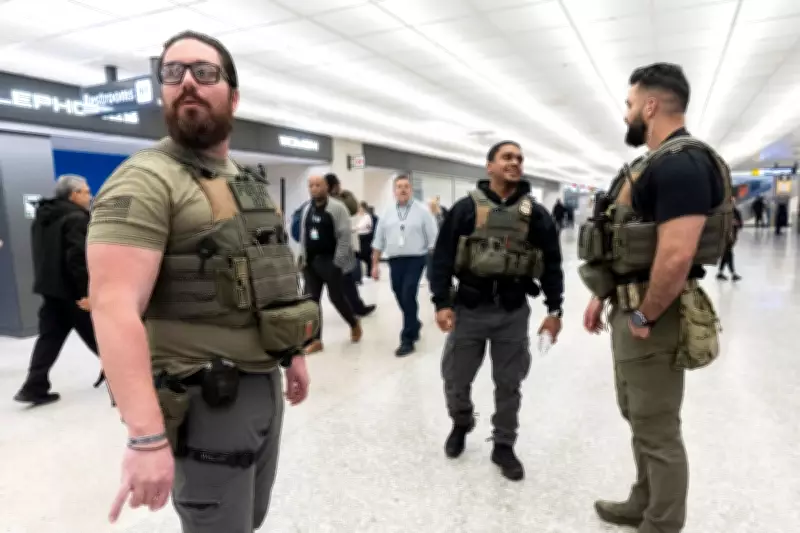
Ottawa Withholds Response to Toronto's World Cup Security Request
The Canadian federal government is maintaining a notable silence regarding a formal request from the City of Toronto to block U.S. Immigration and Customs Enforcement (ICE) agents from operating within its jurisdiction during the upcoming 2026 FIFA World Cup. This development emerges amid heightened preparations for the global sporting event, which Canada is co-hosting with the United States and Mexico.
Toronto's Appeal for Exclusion
Toronto officials have explicitly called for the exclusion of ICE personnel from participating in security or enforcement activities related to the World Cup events scheduled to take place in the city. The request underscores ongoing concerns about the agency's controversial immigration enforcement practices and their potential impact on international visitors and local communities during the tournament.
This appeal highlights the complex interplay between municipal autonomy, federal authority, and international diplomatic relations. The lack of an immediate response from Ottawa suggests careful deliberation is underway, balancing security necessities with broader political and human rights considerations.

Context and Implications
The 2026 World Cup represents a significant logistical and security undertaking, with multiple host cities across North America coordinating efforts to ensure safety and smooth operations. ICE's role, typically focused on immigration enforcement within the U.S., raises unique challenges when extended to Canadian soil during such a high-profile international event.
Observers note that Ottawa's reticence may reflect diplomatic sensitivities, as any public stance could influence cross-border relations or set precedents for future collaborations. The situation also touches on deeper issues of sovereignty and the extent of foreign law enforcement agencies' operations in Canada.
Broader Political Landscape
This issue arises against a backdrop of other political developments, including provincial leadership transitions and federal policy debates. However, the specific matter of ICE's potential involvement in World Cup security remains a focal point for advocacy groups and policymakers alike, who argue that Canada's values and legal frameworks should guide security protocols.
As preparations for the World Cup intensify, stakeholders await clarity from the federal government. The outcome of this request could have lasting implications for how Canada manages international events and collaborates with foreign enforcement agencies, shaping public perception and operational standards for years to come.