Opposition Parties Demand Transparency Ahead of Critical Iran War Debate
As Members of Parliament gear up for a pivotal debate on Canada's potential involvement in the Iran war, opposition parties are intensifying their calls for the government to provide clear and unambiguous answers. The debate, scheduled for the coming days, has sparked significant political tension, with critics accusing the administration of withholding crucial information that could shape Canada's foreign policy stance.
Prime Minister's Absence Raises Eyebrows
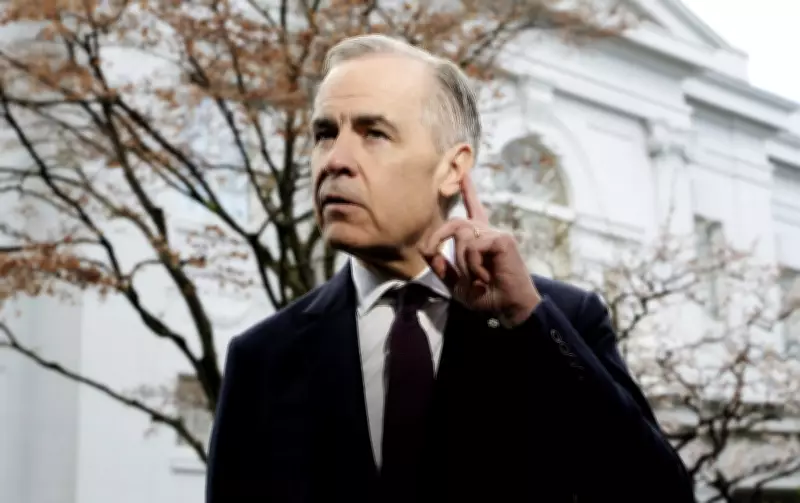
Prime Minister Mark Carney has confirmed he will not attend the House of Commons debate, a decision that has drawn sharp criticism from opposition leaders. Carney, who was recently photographed at the Canadian Embassy in Tokyo on March 7, 2026, has not publicly detailed his reasons for skipping the session. This absence comes at a time when MPs are seeking direct accountability from the highest levels of government regarding military and diplomatic strategies.
"The Canadian people deserve to know exactly where their government stands on this issue," stated one opposition spokesperson. "We cannot have a meaningful debate if key decision-makers are not present to answer questions."

Economic and Security Implications
The debate unfolds against a backdrop of escalating global tensions, with the Iran war already impacting international markets. Oil prices have surged above US$100 per barrel, leading to increased airfares and battering airline shares. This economic ripple effect underscores the far-reaching consequences of the conflict, making parliamentary scrutiny all the more urgent.
Additionally, the federal government has announced nearly $1 billion in funding for domestic defence innovation, including projects involving Bombardier aircraft. This move highlights the interconnected nature of military preparedness and economic policy, further complicating the debate.
Calls for Detailed Government Position
Opposition parties are demanding that the government outline a coherent position on several key points:
- The extent of Canada's current or planned military involvement in the Iran war.
- The diplomatic strategies being employed to de-escalate the conflict.
- The potential impacts on national security and international alliances.
- Measures to protect Canadian interests amid rising oil prices and market volatility.
These demands reflect growing public concern over Canada's role in global conflicts and the need for transparent governance. The debate is expected to be heated, with MPs from all parties preparing to voice their perspectives on this critical issue.
Broader Political Context
The Iran war debate is part of a larger political landscape that includes other significant developments. For instance, the Liberals have nominated Annette Ryan, a Fintrac official, as the new budget watchdog, indicating ongoing shifts in government oversight. Meanwhile, international events like Russia's readiness to work with Europe during an energy crisis add layers of complexity to foreign policy discussions.
As Parliament convenes, the pressure is on the government to provide the clarity that opposition parties and the public are seeking. The outcome of this debate could have lasting implications for Canada's foreign policy, economic stability, and political accountability in the years to come.