New Zealand Prime Minister Christopher Luxon Survives Party Leadership Challenge
In a significant political development, New Zealand Prime Minister Christopher Luxon has successfully weathered a party leadership vote, solidifying his position at the helm of the government mere months before the nation's upcoming general election. The vote, which took place recently, represents a critical test of Luxon's leadership and party unity as the country approaches a pivotal electoral period.
A Test of Leadership and Party Cohesion
The leadership challenge emerged against a backdrop of political maneuvering and internal party dynamics. Luxon, who assumed the prime ministership in late 2023, has been steering the government through a series of domestic and international challenges. His survival in this vote underscores a continued, albeit tested, confidence from his parliamentary colleagues. This outcome effectively quells immediate speculation about a potential leadership change that could have destabilized the ruling party's campaign preparations.
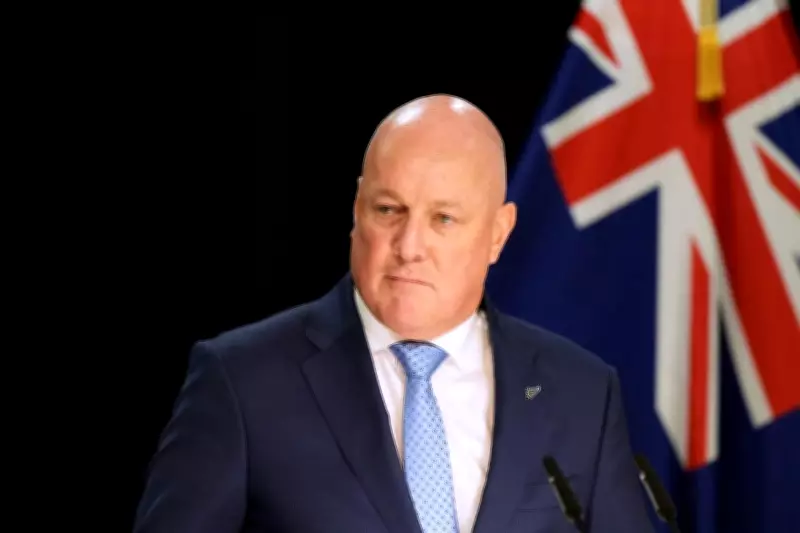
Earlier in April 2026, Luxon announced a cabinet reshuffle at Parliament in Wellington, a move interpreted by analysts as an effort to reinvigorate his team and address policy priorities ahead of the election. The reshuffle saw several key ministers reassigned to new portfolios, aiming to optimize governmental performance. This proactive restructuring appears to have played a role in bolstering his support within the caucus, demonstrating a strategic approach to governance amid scrutiny.

Implications for the Forthcoming General Election
With the leadership question resolved for now, Luxon and his party can focus their energies on the impending general election. Political observers note that a leadership spill so close to an election could have been severely damaging, potentially eroding public trust and campaign momentum. The Prime Minister's ability to unite his party behind him is seen as a crucial factor in presenting a cohesive front to voters.
The New Zealand political landscape remains competitive, with opposition parties likely to capitalize on any perceived weakness. Luxon's administration has been grappling with issues such as economic management, healthcare, and environmental policies. His survival in the leadership vote provides a temporary reprieve, but the ultimate judgment will come from the electorate later this year. The Prime Minister must now translate this internal party support into a compelling national vision to secure another term in office.
This political episode highlights the intense pressures and high stakes involved in pre-election periods. For Christopher Luxon, navigating this internal challenge successfully marks a significant, though not definitive, victory on the path to the general election.