A new rift has emerged between Israeli Prime Minister Benjamin Netanyahu and former U.S. President Donald Trump over the war they jointly initiated, according to recent reports. The disagreement marks a significant shift in their previously close alliance, which had been a cornerstone of Middle East policy.
Background of the Conflict
The war, which began under their leadership, has been a subject of intense debate. Both leaders initially presented a united front, but recent developments suggest growing tensions. Sources indicate that the dispute centers on strategic decisions and the handling of post-war scenarios.
Key Points of Contention
- Military Strategy: Differences in approach to military operations and targets.
- Diplomatic Efforts: Diverging views on peace negotiations and international involvement.
- Domestic Politics: Both leaders face pressure from their respective political bases, influencing their stances.
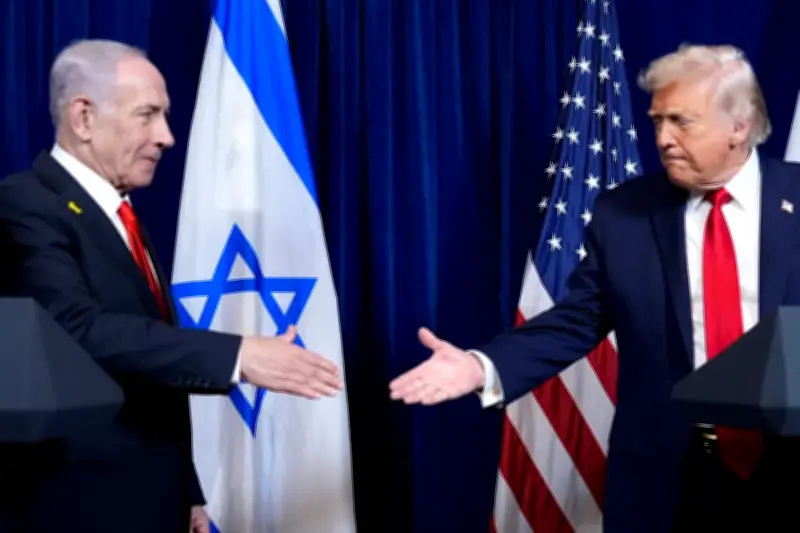
The Associated Press reported that the disagreement became public during a recent press conference, where both leaders avoided direct confrontation but hinted at underlying friction. Analysts suggest that this could impact future cooperation between the U.S. and Israel.

Reactions and Implications
Political observers note that the rift may weaken the strategic partnership that has long defined U.S.-Israel relations. While both countries continue to coordinate on security issues, the personal animosity between Netanyahu and Trump could complicate matters. The war, which has caused significant casualties and regional instability, remains a contentious issue in international forums.
As the situation evolves, the world watches to see how this discord will affect the broader Middle East peace process and the upcoming elections in both nations.