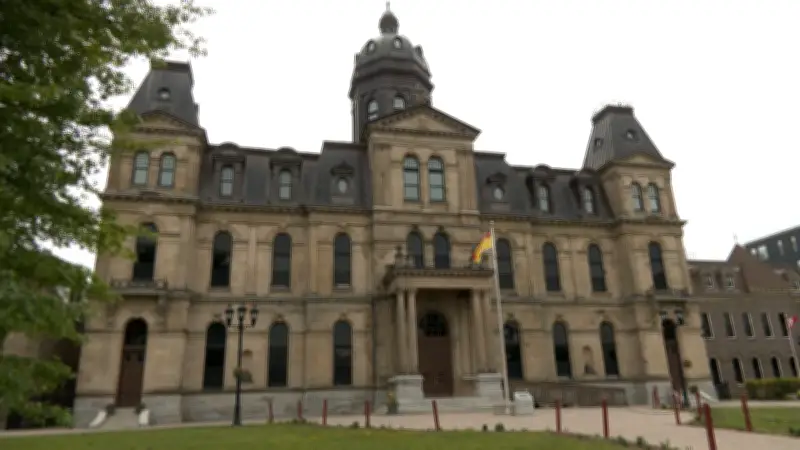
The New Brunswick spring legislative session has officially concluded, wrapping up on June 12, 2026, after a period of intense debate and decision-making. The session, held at the New Brunswick Legislative Building, covered a wide range of topics affecting the province, from public health and safety to economic policies and environmental concerns.
Key Health and Safety Issues
One of the most pressing issues addressed during the session was the surge in drug overdoses. Moncton reported more than 300 overdoses in less than two weeks, prompting urgent discussions on harm reduction and addiction services. Lawmakers debated the effectiveness of safe supply programs and called for increased oversight of virtual delivery models, citing concerns that such programs may inadvertently increase illegal activities.
In other health news, the province is grappling with an early tick season, with researchers finding 13 ticks in just one hour. This has raised alarms about Lyme disease and other tick-borne illnesses, leading to calls for enhanced public awareness and prevention measures.

Public Safety and Legal Updates
The session also saw significant developments in public safety. A woman who fatally stabbed a stranger in Toronto's PATH system was given an absolute discharge, sparking debate about sentencing and mental health considerations. Meanwhile, an arrest was made in a 2008 Toronto sexual assault case using genetic genealogy, highlighting advances in forensic technology.
In New Brunswick, a man found guilty in the killing of a Winnipeg restaurateur was sentenced to seven years. Additionally, a Halifax man wanted for attempted murder was arrested after a two-month search, and a Regina pair was charged with attempted murder for acting on behalf of a criminal organization.
Economic and Environmental Policies
On the economic front, the panel exploring the potential impacts of Alberta separation continued to draw attention, with discussions on how such a move could affect New Brunswick and the rest of Canada. The province also dealt with transportation logistics, as the RBC Canadian Open caused traffic gridlock in golf fans, and BC Hydro anticipated record spring power consumption due to the World Cup and hot weather.
Environmentally, the session addressed concerns about Environment Canada's cuts to radar research teams, which experts say puts the public at risk. Storm threats shifted into the East after tornadoes and winds killed three people and leveled homes in the central U.S., emphasizing the need for robust weather monitoring systems.
Conclusion
The spring legislative session concluded with a mix of progress and unresolved challenges. As New Brunswick moves forward, the decisions made during this session will shape the province's approach to health, safety, and economic resilience in the months ahead.