European Nations Accuse Russia of Navalny Poisoning with Rare Dart Frog Toxin
Five European states, including Britain, France, and Germany, have declared that Russian opposition leader Alexei Navalny was killed by a rare toxin derived from dart frogs, with the Russian state identified as the prime suspect in his death. Navalny, a staunch critic of Russian President Vladimir Putin, died in an Arctic prison on February 16, 2024, while serving a 19-year sentence widely viewed as retribution for his political activism.
Joint Statement at Munich Security Conference
The United Kingdom, Sweden, France, Germany, and The Netherlands issued a joint statement at the Munich Security Conference, asserting their confidence that Navalny was poisoned with a lethal toxin. This conclusion followed detailed analyses of samples from his body, which revealed the presence of epibatidine, a toxin found in the skin of South American dart frogs.
Russia claimed that Navalny died of natural causes. However, given the toxicity of epibatidine and the reported symptoms, poisoning was highly likely the cause of his death, the statement emphasized. The countries further argued that Navalny died while in prison, meaning Russia had the means, motive, and opportunity to administer this poison.

Widow's Response and Scientific Evidence
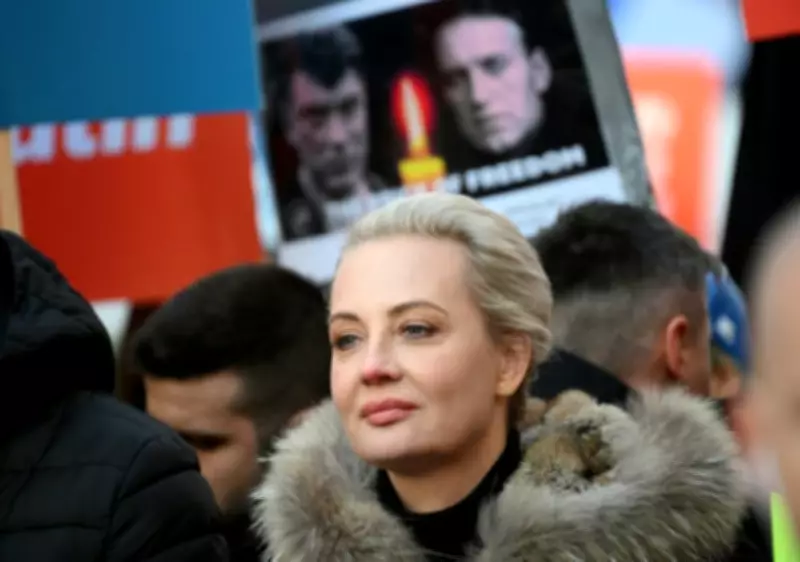
Navalny's widow, Yulia Navalnaya, stated that it is now science-proven that her husband was murdered. Speaking on the sidelines of the conference in Germany, she recalled, Two years ago I came on stage here and said that it was Vladimir Putin who killed my husband. I was of course certain that it was a murder... but back then it was just words. But today these words have become science-proven facts. Last September, Navalnaya had indicated that laboratory analysis of smuggled biological samples confirmed he was killed by poisoning.
International Reactions and Accusations
Britain's foreign office separately stated that only the Russian state had the means, motive, and opportunity to deploy this lethal toxin, holding Russia responsible for Navalny's death. UK Foreign Secretary Yvette Cooper, who met Navalnaya at the conference, remarked, Today, beside his widow, the U.K. is shining a light on the Kremlin's barbaric plot to silence his voice.
French Foreign Minister Jean-Noel Barrot paid tribute to Navalny following the findings, posting on social media, We now know that Vladimir Putin is prepared to use biological weapons against his own people to remain in power. The Kremlin has consistently denied these charges, maintaining that Navalny fell ill and collapsed during a walk in his prison colony, without providing a full explanation for his death.
Background and Context
Navalny and his foundation were labeled extremist by Russian authorities, adding to the political tensions surrounding his imprisonment. The European states' allegations highlight ongoing international scrutiny of human rights and state actions in Russia, with the use of a rare toxin like epibatidine underscoring the severity of the accusations. This development marks a significant escalation in the diplomatic fallout from Navalny's death, as scientific evidence is now being leveraged to support claims of state-sponsored assassination.