MPs Challenge Delay in Taiwan Trade Framework as Diplomat Points to Cabinet
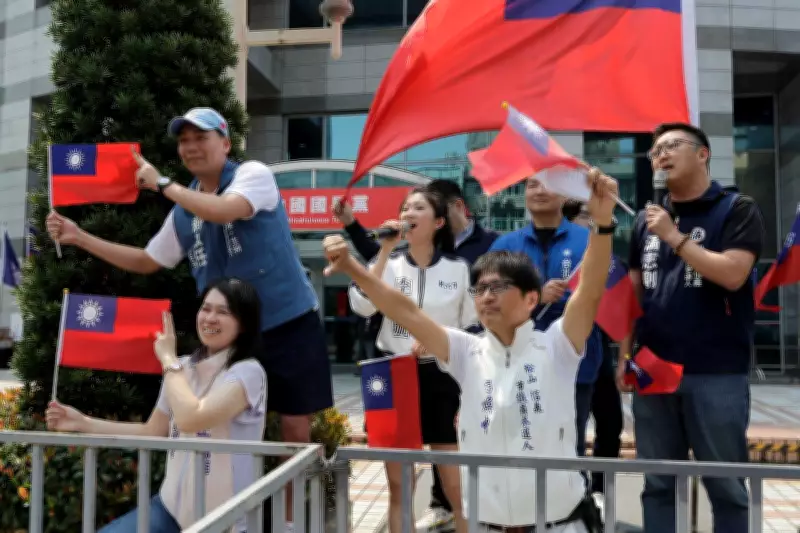
Members of Parliament are intensifying their scrutiny over the prolonged delay in establishing a trade framework with Taiwan, as a senior diplomat has indicated that the ball is now firmly in the cabinet's court. This development comes amid heightened political tensions, with Taiwan's main opposition Nationalist Party, also known as the Kuomintang (KMT), recently staging protests in Taipei, waving national flags in a show of dissent.
Political Pressure Mounts on Cabinet
The diplomat's statement underscores the growing frustration among lawmakers who have been pushing for clearer timelines and commitments regarding trade relations with Taiwan. With no concrete progress reported, MPs are demanding answers on why the framework remains stalled, citing potential economic benefits and strategic partnerships that could be at risk.
This delay is not just a bureaucratic hiccup; it reflects deeper geopolitical considerations and domestic political maneuvering, analysts suggest. The cabinet's hesitation may be linked to broader international dynamics, including relations with other global powers and internal policy reviews.

Opposition Protests Highlight Domestic Unrest
In Taiwan, the KMT's recent demonstrations in front of their party headquarters in Taipei signal ongoing domestic unrest and opposition to current government policies. These protests, captured in images showing members waving flags, add a layer of complexity to the trade discussions, as they highlight the volatile political landscape that could impact bilateral agreements.
- MPs are questioning the lack of transparency in the trade framework process.
- The diplomat's comment shifts responsibility to the cabinet for moving forward.
- Opposition activities in Taiwan may influence the pace and nature of negotiations.
Economic and Strategic Implications
The delay in finalizing the trade framework has raised concerns about missed opportunities for economic growth and enhanced diplomatic ties. Trade with Taiwan could open new markets and foster innovation exchanges, but without a clear framework, businesses and investors are left in limbo, unsure of future prospects.
Moreover, the situation is being watched closely by international observers, as it could set a precedent for how other nations engage with Taiwan amid ongoing geopolitical tensions. The cabinet's next steps will be critical in determining whether this delay is a temporary setback or a sign of deeper policy shifts.
As MPs continue to press for action, the focus remains on the cabinet to provide a timeline and clear direction. The outcome of this issue could have lasting effects on trade relations and political stability in the region, making it a pivotal moment for all parties involved.