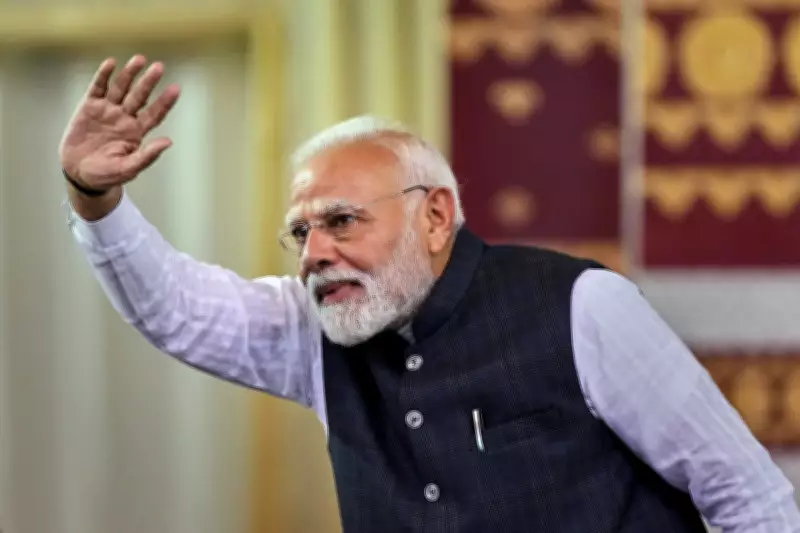
Modi Champions Legislative Push to Elevate Women's Role in Indian Parliament
Indian Prime Minister Narendra Modi is spearheading a significant legislative initiative aimed at dramatically increasing female representation within the nation's parliament. This proposed bill represents a pivotal move towards enhancing gender equality in one of the world's largest democracies, seeking to reshape the political landscape by ensuring women have a stronger voice in national governance and policy-making processes.
A Strategic Move for Inclusive Governance
The legislation, championed by Prime Minister Modi's administration, is designed to address the historical underrepresentation of women in Indian politics. By proposing measures to boost the number of women in parliament, the bill aligns with broader global efforts to promote gender parity in legislative bodies. This initiative underscores a commitment to fostering a more inclusive and representative democratic system, where diverse perspectives contribute to national development.
Political analysts suggest this bill could be a transformative step, potentially setting a precedent for other nations grappling with similar representation gaps. The move is seen as part of Modi's broader agenda to modernize India's political institutions and promote social equity, reflecting evolving societal values and the growing demand for greater female participation in public life.

Context and Implications for Indian Democracy
India, with its vast and diverse population, has long faced challenges in achieving balanced gender representation in its parliament. The proposed legislation aims to create a more equitable political environment by implementing structural changes that facilitate women's entry and advancement in politics. This effort is expected to empower women across the country, encouraging greater civic engagement and leadership from grassroots to national levels.
The bill's introduction comes at a critical juncture, as discussions on women's rights and representation gain momentum globally. By pushing for this change, Modi's government signals a proactive approach to addressing gender disparities, which could have far-reaching effects on policy formulation, particularly in areas such as education, healthcare, and economic development that disproportionately impact women.
Potential Challenges and the Path Forward
While the bill has garnered support from various quarters, it may also face hurdles during the legislative process, including debates over implementation mechanisms and potential resistance from traditional political factions. However, proponents argue that increasing women's parliamentary presence is essential for crafting more comprehensive and effective laws that reflect the needs of all citizens.
As this proposal moves forward, it will be closely watched by both domestic and international observers. Success in passing and implementing this bill could mark a landmark achievement for gender equality in India, inspiring similar reforms in other sectors and reinforcing the country's commitment to democratic principles and social progress.