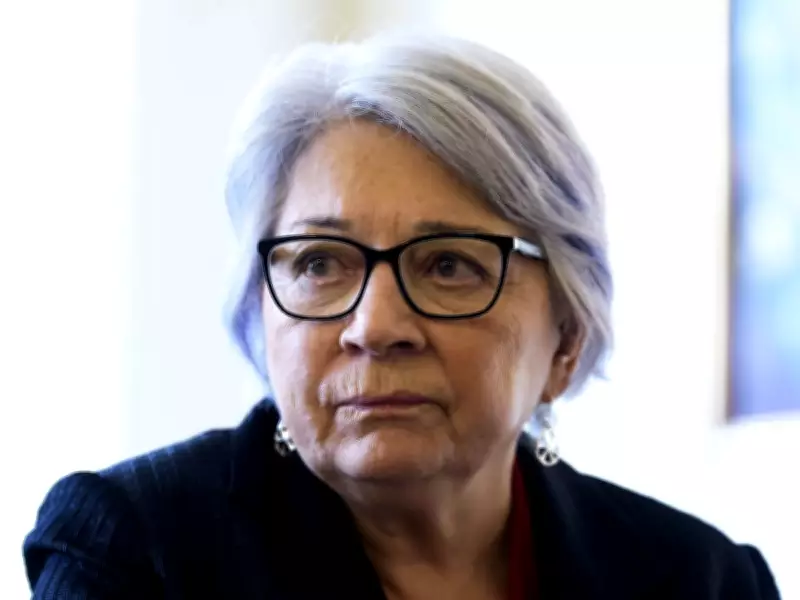
Governor General Mary Simon Urged to Refuse $15,800 Pay Raise Amid Public Outcry
As Canadians are increasingly asked to make financial sacrifices, there is growing frustration over automatic pay raises for the highest levels of government. Governor General Mary Simon, who holds a largely ceremonial office, has become a focal point of this discontent after receiving a $15,800 salary increase, bringing her total annual compensation to $393,800.
Public Opinion Strongly Opposes the Increase
A recent Leger poll reveals that nearly 60% of Canadians support cutting the governor general's pay. This sentiment reflects broader anger toward automatic raises for top officials, particularly when ordinary citizens face economic pressures. Prime Minister Mark Carney has urged Canadians to prepare for sacrifices, yet many perceive a "do as I say, not as I do" approach from leadership.
For context, a family of four is expected to spend approximately $17,000 on groceries this year, highlighting the disparity between everyday expenses and elite compensation.

Salary Hikes Are Just the Beginning
The $15,800 raise is part of a larger trend. Since 2019, the federal government has increased the governor general's annual salary by $75,200, a 25% jump. In contrast, Statistics Canada data shows the average annual salary for full-time workers in Canada was roughly $70,000 in 2024.
However, salary increases represent only the tip of the iceberg when it comes to taxpayer-funded benefits for the office.
- Operating the governor general's office will cost taxpayers about $26.2 million this year.
- Mary Simon can bill up to $130,000 for clothing every five years, with government documents showing she charged $7,576 between January 2024 and March 2025, including $2,510 for luxury wool suits and $1,117 for shoes.
- Former governors general receive $150,000 per year for life, plus lavish expense accounts that can reach $200,000 annually.
- Travel costs have risen 21% in 2024 to about $3 million, despite parliamentary committees previously condemning such expenses as "absurd."
Leadership Requires Setting an Example
True leadership involves making decisions for others and setting a personal example. Restraint cannot apply solely to taxpayers while top officials remain insulated from the rising cost of living. Refusing this automatic raise would send a clear message that public service entails responsibility and sacrifice, not entitlement.
Parliament has shown little willingness to sacrifice, with MPs refusing to cut or freeze their salaries despite polling indicating 80% of Canadians support a freeze for federal politicians. So far, only one MP, Mike Dawson, has committed to refusing the raise.
A Critical Opportunity for Mary Simon
With her mandate nearing its conclusion and a transition at Rideau Hall on the horizon, Simon has a rare chance to leave a lasting legacy. By rejecting future automatic pay increases and reviewing premium perks, she could reset expectations for the office and its successors.
Such a move would demonstrate that taking taxpayer-funded raises while Canadians struggle is unacceptable and that those at the top must share in the sacrifices being asked of the public. The example must now come from the very top.
Nicolas Gagnon is the Quebec director of the Canadian Taxpayers Federation.