A French activist has been convicted and handed a financial penalty for a unique form of political protest: cracking a raw egg on the head of the country's prominent far-right leader.
The Incident and Its Immediate Aftermath
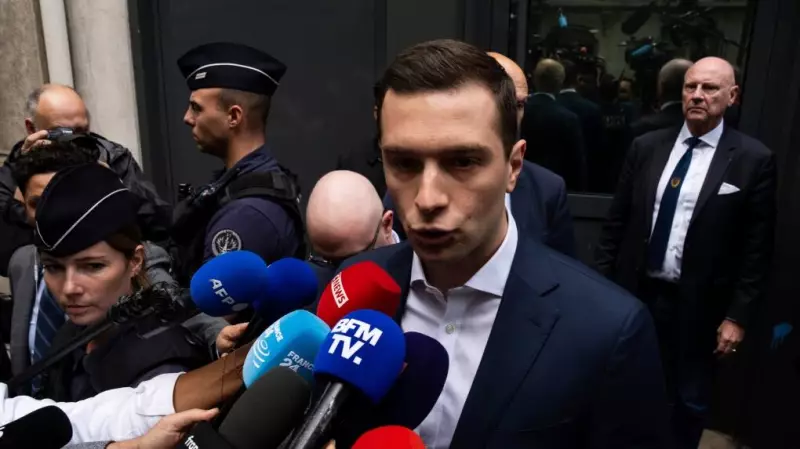
The target of the protest was Jordan Bardella, the president of the French far-right National Rally party. The incident, which was captured by media and onlookers, involved an individual approaching Bardella and deliberately breaking an egg on his head. The act was a symbolic gesture of opposition, a physical but non-violent expression of dissent against Bardella and his party's political platform.
Following the event, French authorities moved to prosecute the individual responsible. The judicial process concluded with the activist being found guilty of the act. The court's ruling resulted in a fine for the perpetrator, underlining that such acts of protest, even if symbolic, carry legal repercussions.

Context of Political Tension in France
This egging incident did not occur in a vacuum. It reflects the heightened and often contentious political atmosphere in France, where the National Rally, under the leadership of figures like Bardella and Marine Le Pen, remains a powerful and polarizing force. Bardella, as a young and media-savvy politician, has become a central figure in this landscape, frequently drawing both fervent support and intense criticism.
Protests against far-right figures in Europe have taken many forms, from massive street demonstrations to smaller, individual acts. The egg has historically been used as a tool of political ridicule across the globe, intended to embarrass rather than cause serious physical harm. This case in France is a recent example of this long-standing, if unconventional, method of expressing political contempt.
Legal Ramifications and the Message Sent
The conviction and fine send a clear message from the French judiciary regarding the boundaries of protest. While freedom of expression is a cornerstone of democratic societies, physical actions against individuals, regardless of their perceived severity, can constitute assault and lead to criminal charges. The ruling reinforces that political figures are protected under the same laws as any other citizen.
For Jordan Bardella and the National Rally, the incident and its coverage serve as another moment in the spotlight, potentially galvanizing their base by framing the party as a target of what some supporters may call "political violence" or disrespect. Conversely, critics of the far-right may view the act as a justified, if petty, expression of opposition to ideologies they find dangerous.
The story, originating from an AFP report and noted in international news digests, highlights how even seemingly minor acts of protest can resonate, sparking discussions about security, political discourse, and the limits of civil disobedience in modern democracies.