Diplomatic Tensions Rise Between Macron and Meloni Over Activist's Death
Recent events have sparked a sharp diplomatic confrontation between French President Emmanuel Macron and Italian Prime Minister Giorgia Meloni, centered on the killing of a French far-right activist. This incident has exposed underlying political frictions within the European Union, as both leaders exchange pointed remarks in the aftermath.
Background of the Dispute
The conflict emerged following the tragic death of the activist, which has drawn intense media scrutiny and public attention across Europe. Macron has publicly criticized Meloni's response, accusing her of downplaying the severity of the situation and failing to address the broader implications for far-right movements in the region. In turn, Meloni has defended her position, emphasizing national sovereignty and questioning Macron's approach to handling such sensitive matters.
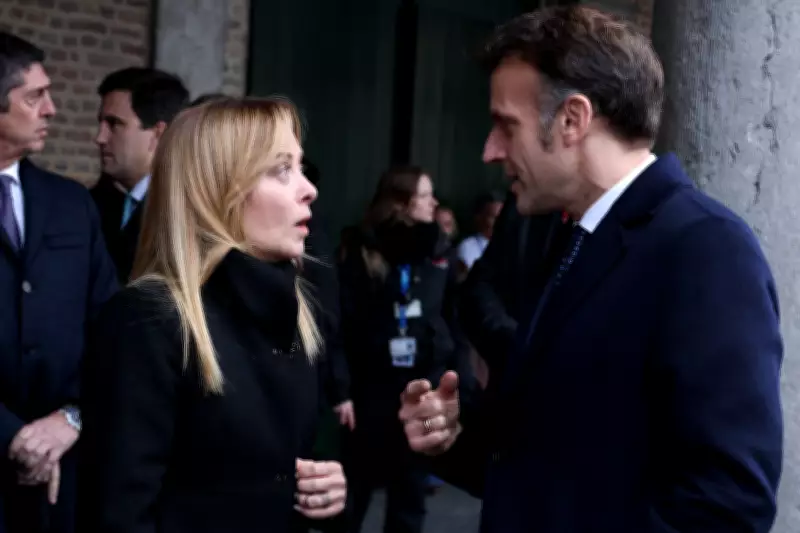
This exchange occurred against the backdrop of a recent EU summit held at Alden Biesen Castle in Bilzen-Hoeselt, Belgium, where the two leaders were seen in discussions. The timing of the killing has amplified tensions, with analysts suggesting it could impact future collaborations on EU policies related to security and immigration.

Implications for European Politics
The dispute highlights the growing polarization within European politics, particularly concerning far-right ideologies and their influence. Macron's stance reflects his broader efforts to combat extremism, while Meloni's comments align with her party's nationalist agenda. This clash may hinder progress on key EU initiatives, as trust between the two nations appears strained.
Observers note that such diplomatic spats are not uncommon in the EU, but the involvement of a high-profile activist's death adds a layer of complexity. The incident has prompted calls for greater unity and dialogue among member states to prevent further escalation.
Looking Ahead
As investigations into the killing continue, the focus remains on how Macron and Meloni will navigate this diplomatic challenge. Both leaders face domestic pressures to assert their positions, which could lead to prolonged tensions if not managed carefully. The outcome may influence upcoming EU summits and policy decisions, underscoring the need for constructive engagement.
In summary, the killing of the French far-right activist has ignited a significant rift between Macron and Meloni, reflecting deeper political divides in Europe. This situation warrants close monitoring as it unfolds, with potential repercussions for international relations within the bloc.