In a recent commentary, Sun political columnist Brian Lilley has issued a stark warning about what he describes as a dangerous deepening of ties between Canadian and Chinese media organizations. This development comes at a sensitive time in international relations, raising significant questions about press freedom and journalistic independence.
Growing Concerns Over Media Integration
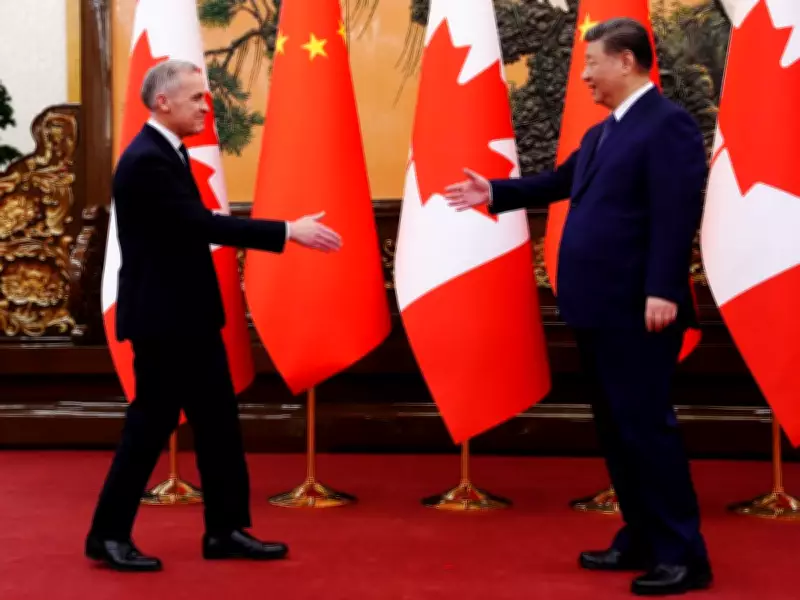
The commentary follows Prime Minister Mark Carney's meeting with Chinese President Xi Jinping at the Great Hall of the People in Beijing in January 2026. While diplomatic engagements between nations are routine, Lilley argues that the increasing media cooperation between Canada and China represents a troubling trend that could compromise journalistic integrity.
Context of Jimmy Lai's Imprisonment
Lilley's analysis is particularly poignant in light of recent events involving Hong Kong media tycoon Jimmy Lai, who was sentenced to 20 years in prison for speaking out against the Chinese government. This case has drawn international condemnation and highlighted the severe restrictions on free speech in China.

The columnist suggests that as media ties between Canada and China strengthen, there is a risk that Canadian journalists might face pressure to avoid critical reporting on Chinese policies or human rights issues. This could potentially lead to self-censorship and undermine the fundamental principles of a free press.
Implications for Canadian Journalism
Lilley emphasizes that while international media collaboration can have benefits, such as cultural exchange and broader news coverage, it must not come at the expense of journalistic ethics. He points out that Canadian media organizations have a responsibility to maintain editorial independence and to report truthfully, even when it involves criticizing foreign governments.
The deepening of media ties with China, according to Lilley, could create conflicts of interest that might influence how stories are framed or which topics are covered. This is especially concerning given China's track record of suppressing dissent and controlling information within its borders.
Call for Public Engagement
The commentary concludes with an invitation for readers to share their thoughts on this issue, either through comments or by submitting letters to the editor. Lilley encourages public discourse on the matter, stressing that the integrity of Canadian media is a matter of national importance.
As Canada continues to navigate its relationship with China, the debate over media integration serves as a reminder of the delicate balance between international cooperation and the preservation of democratic values. The outcome of this discussion could have lasting implications for how Canadian journalism operates on the global stage.