Liberals Move to Control Parliamentary Committees After Securing Majority Government
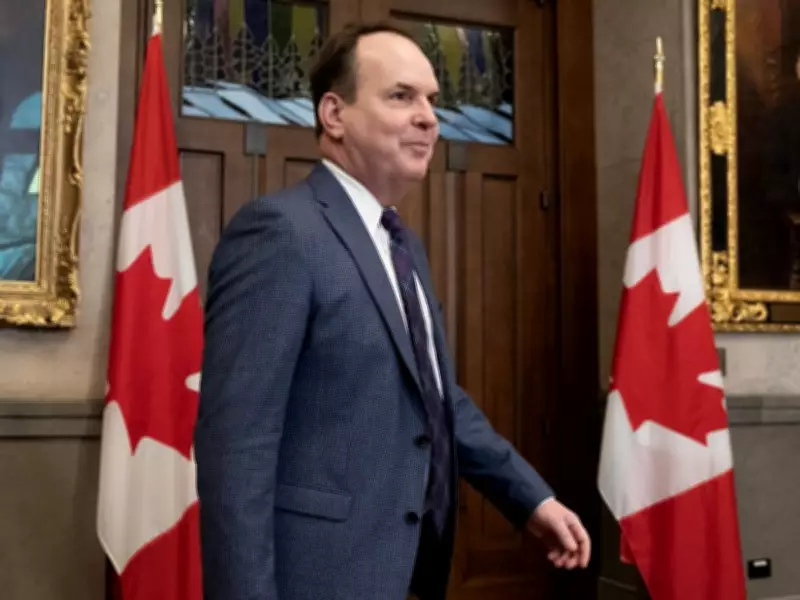
In a controversial move that has sparked immediate backlash from opposition parties and political observers, Liberal House leader Steve MacKinnon announced this week that the governing Liberals intend to stack parliamentary committees with their own members. This decision comes after Prime Minister Mark Carney achieved a majority government through a series of high-profile floor-crossings from opposition MPs.
End of Minority Parliament Dynamics
Traditionally, in a minority Parliament, committee seats are allocated proportionally to ensure opposition parties maintain significant influence and can hold the government to account. This system creates a vital check on executive power, allowing for thorough scrutiny of government spending, policies, and potential scandals.
MacKinnon defended the move by citing what he called "an undeniable, longstanding principle in Parliament: A party that has the majority of seats in the House also has a majority in committees." He further claimed this approach would stop what he characterized as "silly, partisan games" by opposition members.

Accountability Concerns Raised
Critics argue that MacKinnon's characterization fundamentally misunderstands the role of parliamentary opposition. Holding government to account through committee work represents a cornerstone of democratic governance rather than partisan gameplay. The decision to increase committee sizes specifically to add more Liberal members effectively neutralizes opposition oversight capabilities.
This development has raised alarm bells among those who point to recent history as evidence of why robust committee scrutiny matters. The ArriveCAN scandal, which saw a relatively straightforward app evolve into an estimated $60-million expenditure, was exposed largely through intense committee investigation. Similarly, in Ontario, committee scrutiny during former premier Dalton McGuinty's minority government brought to light significant scandals involving the Ornge air ambulance service and four cancelled gas-powered generating plants.
Electoral Mandate Questioned
The current majority government represents a significant shift from the electoral outcome of the previous year, when voters delivered a minority Parliament. While some floor-crossing MPs have claimed their defections reflect constituent desires, critics counter that democracy should be based on electoral outcomes rather than anecdotal reports or individual interpretations of voter sentiment.
It's worth noting that recent byelections did not create the Liberal majority; all three contested ridings were previously held by Liberals. The majority government emerged specifically from MPs crossing the floor to join the governing party.
Democratic Implications
MacKinnon's committee-stacking maneuver represents more than just procedural change. By transforming committees from independent watchdogs into government-controlled bodies, this move fundamentally alters the balance of power within Parliament. Rather than enhancing democratic processes, critics argue it diminishes accountability mechanisms that have historically served to expose waste, mismanagement, and potential corruption.
The decision raises important questions about how future governments will be held accountable and whether parliamentary committees can maintain their traditional role as investigative bodies when dominated by governing party members. As the Liberal government consolidates its power through committee control, opposition parties face diminished capacity to fulfill their constitutional role of scrutinizing government actions and expenditures.