Liberal Triumph in Terrebonne Reshapes Quebec Political Landscape
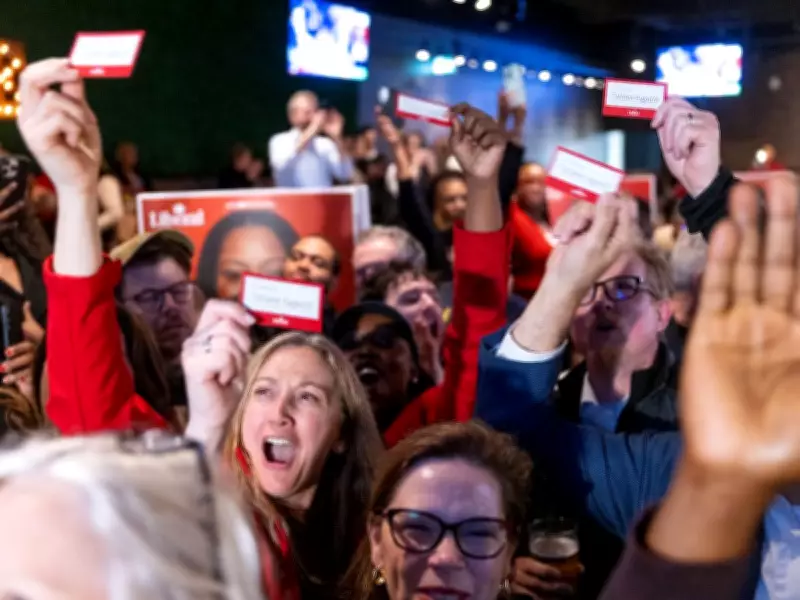
While much attention has focused on Prime Minister Mark Carney's historic majority government and its implications for national policy, a single byelection in Quebec has emerged as potentially more consequential than any other political development. The riding of Terrebonne, traditionally Bloc Québécois territory, witnessed Liberal candidate Tatiana Auguste secure victory with a 731-vote margin on Monday, April 13, 2026. This unexpected outcome has sent shockwaves through Quebec's political establishment and could fundamentally reshape dynamics in both provincial and federal politics.
Provincial Implications and Parti Québécois Setbacks
Auguste's victory represents a significant setback not only for the Bloc Québécois but also for the Parti Québécois, which deployed substantial ground forces to bolster the Bloc campaign in Terrebonne. Despite these efforts, the Bloc candidate fell short, mirroring provincial polls that show the PQ running neck and neck with the provincial Liberal party under new leader Charles Milliard. Although the federal and provincial Liberal parties operate as distinct entities, the timing of this loss is particularly damaging for the PQ as Quebec approaches provincial elections in six months.
The political landscape in Quebec has shifted dramatically this year with new leadership in both the Liberal party and the Coalition Avenir Quebec. The PQ, sensing trouble, has begun seeking new electoral markets, particularly on the right. Leader Paul St Pierre Plamondon recently granted an interview to Rebel News where he appealed to provincial Conservative party supporters, a demographic representing between 10-15 percent of voters who could prove decisive in rural and exurban ridings.

Federal Conservatives Face Potential Exodus
Within federal Conservative circles, rumors are circulating about possible defections among Quebec MPs. Four names have emerged in discussions among Conservative insiders and Quebec media: Joël Godin, Richard Martel, Eric Lefebvre, and Dominique Vien. While Vien has publicly rejected the possibility of crossing the floor, she represents an attractive potential candidate for Milliard's provincial Liberals, having served as a minister in the governments of Jean Charest and Philippe Couillard from 2010 to 2018. At 59, she might welcome another opportunity on government benches, which appears unlikely in Ottawa under current circumstances.
Godin's absence from the Conservative convention in January, attributed to a trade mission to the Balkans, fueled speculation about his political future, though sources indicate he fears significant backlash from any party change. Meanwhile, Lefebvre and Martel face speculation not about joining Carney's Liberals, but potentially leaving caucus to sit as independents. This maneuver could force Conservative leader Pierre Poilievre's ouster, after which they might return under new leadership.
Strategic Implications for Carney's Government
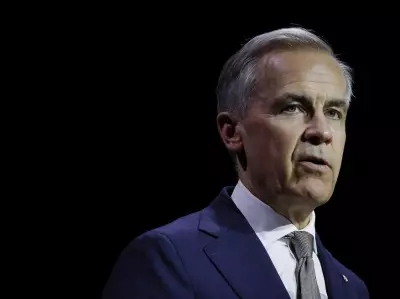
For Prime Minister Mark Carney, the Liberal victory in Terrebonne represents more than just another seat in Parliament. A strong Liberal performance in Quebec would diminish the specter of another PQ referendum, a development Carney would undoubtedly welcome. However, the political calculus contains complications, particularly regarding newly minted CAQ leader Christine Frechette. Should she maintain her party's current 18 percent support level, she could split the federalist and centrist vote to the PQ's benefit, potentially denying the Liberal party victory in the provincial election.
The Terrebonne byelection has exposed vulnerabilities within both the Bloc Québécois and Conservative parties while demonstrating the Liberal party's growing strength in traditional opposition territory. As Quebec approaches its provincial election, these dynamics will likely intensify, with potential ramifications for federal politics and the stability of Conservative caucus unity. The 731-vote margin in Terrebonne may ultimately prove more significant than any parliamentary majority in reshaping Canada's political future.