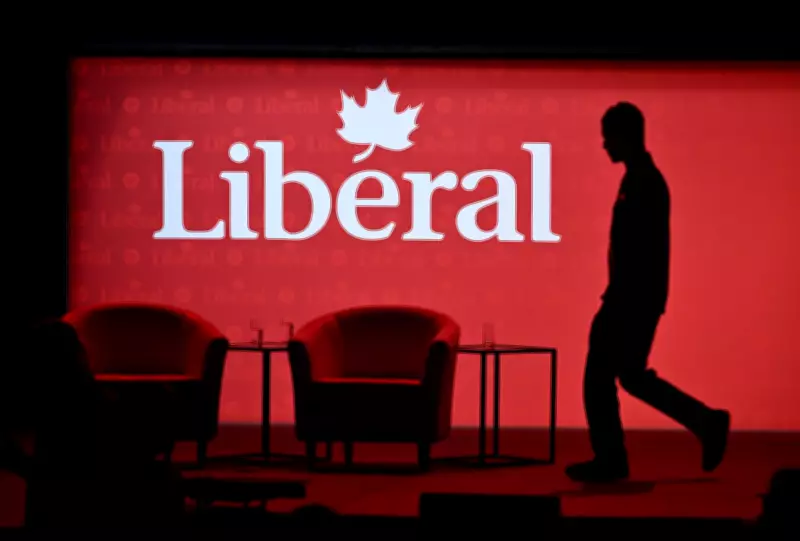
Liberal Party National Convention: Setting the Stage for Political Strategy
The Liberal Party is gearing up for its highly anticipated national convention, a pivotal event that will shape the party's direction and policies in the coming years. With nearly 4,000 federal public servants applying for an early retirement program, the political landscape is shifting, adding urgency to the discussions expected at the convention.
Floor Crossing and Byelection Implications
In a significant political move, Conservative MP Marilyn Gladu has crossed the floor to join the Liberal Party. This defection brings the Liberals to within one seat of a majority government, intensifying focus on upcoming byelections. Analysts suggest that Gladu's switch could influence voter sentiment and campaign strategies in key ridings, as the Liberals aim to solidify their position.
The convention will likely address how to leverage this development to gain electoral advantages. Party leaders are expected to outline plans for mobilizing supporters and addressing concerns from swing voters, particularly in regions where byelections are scheduled.

Policy Debates and Party Unity
Delegates at the convention will engage in robust debates on a range of issues, from economic policies to social programs. With the Liberals facing challenges such as fluctuating oil prices and public sector retirements, the agenda will include discussions on stabilizing the economy and enhancing government services.
Key topics on the table include:
- Strategies for achieving a majority government in future elections.
- Responses to Conservative criticisms and policy alternatives.
- Initiatives to address public concerns highlighted by recent events, such as distracted driving campaigns and healthcare staffing shortages.
Party unity will be a focal point, as internal divisions could impact the Liberals' ability to present a cohesive front. Speeches from senior members will aim to rally the base and outline a clear vision for the party's future.
Broader Political Context
The convention occurs against a backdrop of national and international developments, including economic indicators and environmental policies. While not directly related, issues like climate change and healthcare reforms may influence the discussions, reflecting the interconnected nature of modern governance.
As the Liberals convene, all eyes will be on how they navigate these complexities and set a course for the upcoming political battles. The outcomes of this convention could have lasting effects on Canada's political trajectory, making it a critical moment for the party and its supporters.