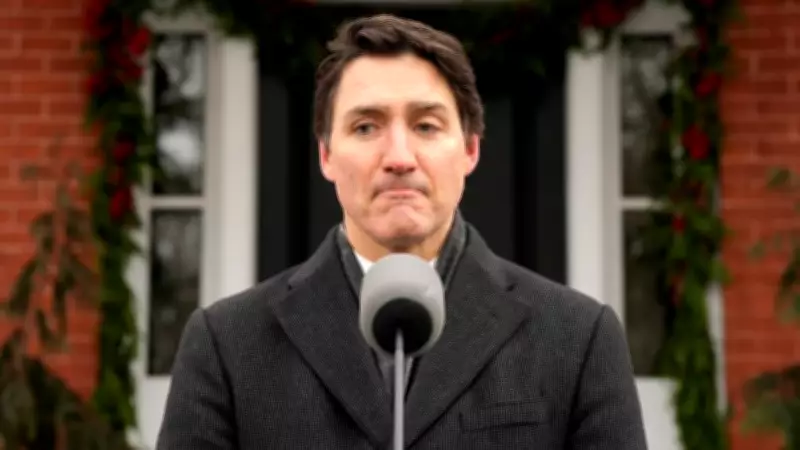
Justin Trudeau Announces Departure as Prime Minister and Liberal Leader
In a major political development, Prime Minister Justin Trudeau has declared his intention to step down as the leader of the Liberal Party of Canada. This announcement, made on January 6, 2025, signals the end of an era in Canadian federal politics and sets the stage for a leadership race within the governing party.
Parliament Prorogued Until March Amid Leadership Transition
Alongside his resignation announcement, Trudeau confirmed that Parliament will be prorogued until March. This parliamentary suspension creates a temporary pause in legislative activities as the Liberal Party prepares for its upcoming leadership contest. The prorogation provides breathing room for the party to organize its internal processes while maintaining government operations during this transitional period.
The timing of this announcement comes after nearly a decade of Trudeau's leadership, during which he served as Prime Minister since 2015. His decision to step down follows months of speculation about his political future and comes at a critical juncture for the Liberal Party as it prepares for future electoral challenges.

Political Implications and Succession Planning
The Liberal Party now faces the significant task of selecting a new leader who will simultaneously become Canada's next Prime Minister, given the party's current majority government status. This leadership transition represents one of the most consequential political changes in recent Canadian history, with implications for both domestic policy direction and international relations.
Political analysts suggest that the leadership race will likely attract several prominent Liberal figures, though no immediate successors have formally declared their candidacy. The party's constitution outlines specific procedures for leadership contests, including timelines for candidate nominations, debates, and the final voting process among party members.
Broader Political Context and Reaction
The announcement occurs against a backdrop of various provincial and federal political developments across Canada. Conservative Party leader Pierre Poilievre has recently emphasized national unity concerns, while provincial governments from British Columbia to Ontario are addressing diverse policy challenges ranging from healthcare to economic management.
Trudeau's tenure as Prime Minister has been marked by significant policy initiatives including climate action plans, pandemic response measures, and international diplomatic engagements. His departure will undoubtedly reshape the Canadian political landscape as parties adjust their strategies in anticipation of new leadership dynamics.
The coming months will see increased political activity as the Liberal Party organizes its leadership selection process while maintaining government operations during the parliamentary prorogation period. This transition represents both an ending and a beginning for Canadian federal politics, with implications that will unfold throughout 2025 and beyond.