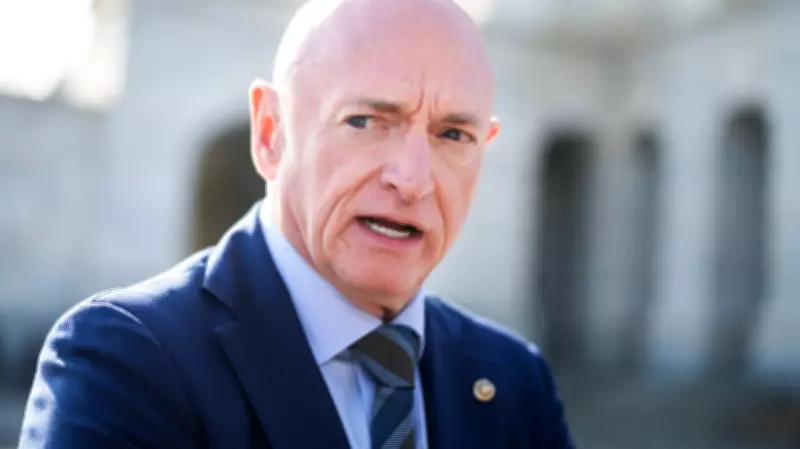
Judge Halts Pentagon's Attempt to Reduce Senator Mark Kelly's Military Benefits
A U.S. district judge has intervened to block the Pentagon from reducing Senator Mark Kelly's retired military rank and pension pay, following his public statements encouraging troops to reject unlawful orders. This preliminary ruling represents a significant legal obstacle for the Trump administration's ongoing efforts to penalize political opponents through military channels.
Background of the Case
The controversy stems from a November video featuring Senator Mark Kelly, a retired Navy captain and former astronaut representing Arizona, along with five other congressional Democrats. In the clip, Kelly emphasized the legal duty of service members to refuse illegal orders, stating, "Our laws are clear: You can refuse illegal orders." His remarks were made amid broader Democratic criticism of President Donald Trump's decisions, such as deploying the National Guard in U.S. cities and authorizing lethal strikes against suspected drug smugglers from Latin America.
Administration's Response and Legal Arguments
In response, President Trump labeled the video as "SEDITIOUS BEHAVIOR, punishable by DEATH" in a social media post. Subsequently, U.S. Defense Secretary Pete Hegseth issued a censure letter on January 5, accusing Kelly of undermining military discipline in violation of rules applicable to both active and retired personnel. The Trump administration's lawyers argued in court filings that the lawsuit should be dismissed, describing it as a "quintessential matter of military discipline not within the Judiciary's purview." They also contended the lawsuit was premature, suggesting Kelly should have addressed Hegseth's allegations through administrative channels first.

Judicial Ruling and Implications
U.S. District Judge Richard Leon in Washington issued the preliminary ruling, which prevents any reduction in Kelly's military benefits pending further legal proceedings. This decision is part of a broader pattern of judicial pushback against President Trump's campaign against perceived political enemies, with judges across the ideological spectrum challenging such actions. The case highlights ongoing tensions between executive authority and judicial oversight in matters of military discipline and free speech.
As the legal battle continues, this ruling underscores the complexities of applying military regulations to retired personnel involved in political discourse, setting a precedent for future cases involving similar conflicts between government actions and individual rights.