Kuwaiti American Journalist Detained Over Social Media Activity
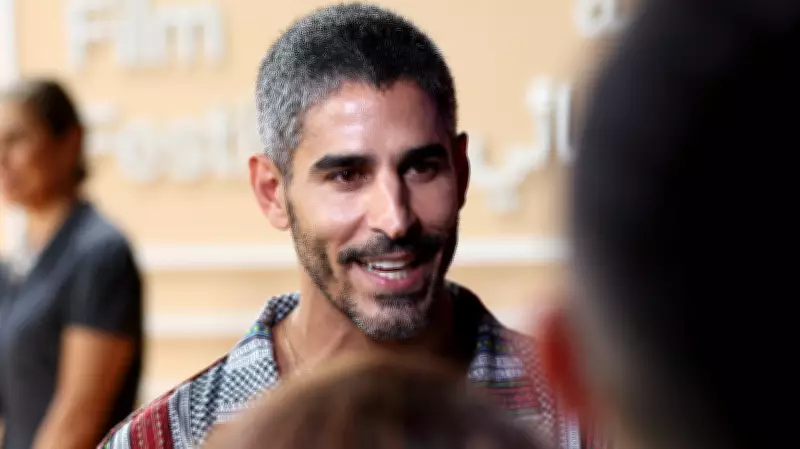
Ahmed Shihab-Eldin, a 41-year-old award-winning Kuwaiti American journalist with a distinguished career including reporting for HuffPost, has been reportedly imprisoned in Kuwait following social media posts concerning the ongoing Iran war. According to reports from the independent news outlet Drop Site, Shihab-Eldin was arrested on March 3 in Kuwait City and is now facing prosecution in a special tribunal.
Charges and Alleged Offenses
The Guardian has detailed that the charges against Shihab-Eldin include spreading false information, harming national security, and misusing his mobile phone. While the specific social media post that triggered his arrest remains unclear, it is noted that on March 2, he shared CNN footage on his Substack page showing a U.S. Air Force fighter plane crashing west of Kuwait City.
In his post, Shihab-Eldin wrote that the pilot and weapons officer successfully ejected and survived the crash, with local residents assisting one of the crew members. He has not made any further posts on his page since that incident, raising concerns about his ability to communicate freely.

International Response and Media Censorship
The Committee to Protect Journalists (CPJ) issued a strong statement on Tuesday, calling for Shihab-Eldin's unconditional release. CPJ highlighted that his detention, which occurred while he was visiting family, aligns with a broader trend in Gulf countries, including Kuwait, where authorities are imposing stringent media censorship amid the war.
Kuwait's Ministry of Interior had previously warned on March 2 against filming or publishing videos or information related to Iranian attacks, as reported by the Kuwait Times. The ministry stated that individuals accused of violating media laws would be referred for prosecution, underscoring the tight control over information dissemination.
Sara Qudah, CPJ's regional director, emphasized in a statement, "Journalism is not a crime, and Shihab-Eldin's case reflects a broader pattern of using national security laws to stifle scrutiny and control the narrative." Requests for comment from the Kuwaiti Embassy in Washington, D.C., and the U.S. State Department have not received immediate responses, leaving many questions unanswered about diplomatic implications.
Context of Recent Journalist Detentions
Shihab-Eldin's arrest is not an isolated incident. Last month, another reporter, Yitzchak Horowitz, a journalist for the weekly Haredi newspaper BeKehila, spoke out about his own detention in Kuwait. Horowitz was questioned for several hours on suspicion of espionage after photographing U.S. warships off the Gulf Coast before being released.
These cases highlight growing concerns over press freedom and the use of national security justifications to limit journalistic activities in the region. As the war continues, the balance between security measures and free expression remains a contentious issue, with international observers closely monitoring developments.