Ex-Prime Minister Boris Johnson Advocates for Noncombat Military Deployment to Ukraine
In a significant development regarding the ongoing Russia-Ukraine conflict, former United Kingdom Prime Minister Boris Johnson has issued a bold appeal to Western allies. Johnson is urging nations to deploy noncombat troops to Ukraine in the period leading up to a potential ceasefire agreement. This call aims to bolster Ukraine's defensive and strategic capabilities during a critical juncture in the war.
Strategic Support Ahead of Negotiations
The proposal focuses on sending military personnel in roles such as trainers, advisors, and logistical support units, rather than frontline combat forces. Johnson argues that this move would strengthen Ukraine's position in any forthcoming ceasefire talks, ensuring the country is better prepared and supported. This stance highlights a continued commitment from some Western figures to provide substantial, albeit non-aggressive, military assistance to Kyiv.
This appeal comes amidst a complex geopolitical landscape, where discussions about potential peace negotiations have been intermittently surfacing. Johnson's position suggests a strategy of reinforcing Ukraine's military posture to negotiate from a position of strength, rather than vulnerability. The former PM has been a vocal supporter of Ukraine since the invasion began, and this latest statement aligns with his previous advocacy for robust allied support.

Context and International Reaction
The call for noncombat troops is likely to spark debate among NATO members and other allies, who have so far carefully calibrated direct military involvement to avoid escalating the conflict into a broader war. Proponents may view it as a necessary step to ensure Ukrainian resilience, while critics could express concerns about mission creep and heightened tensions with Russia.
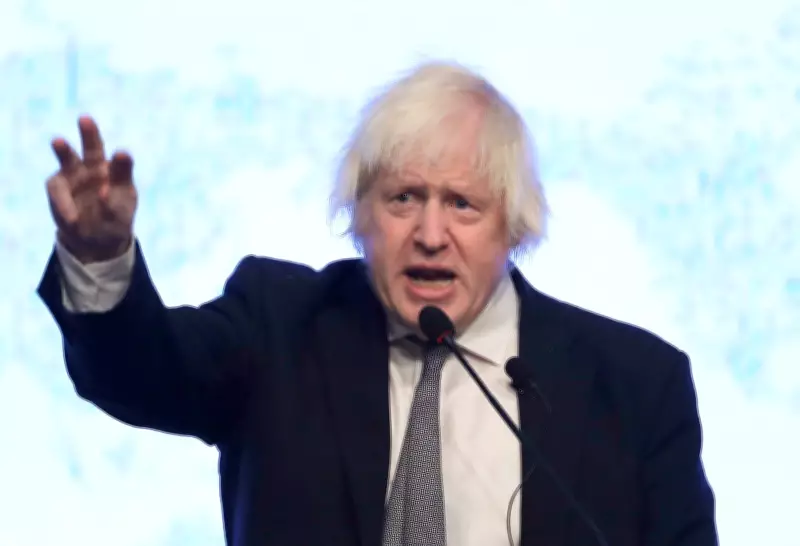
Johnson made these remarks in a public address, reiterating the importance of sustained international backing for Ukraine's sovereignty. His intervention adds to the ongoing discourse on how best to support Ukraine as the war continues, with some analysts viewing pre-ceasefire support as crucial for shaping favorable terms. The international community's response to this proposal will be closely watched, as it could influence future policy decisions regarding military aid and diplomatic efforts in the region.