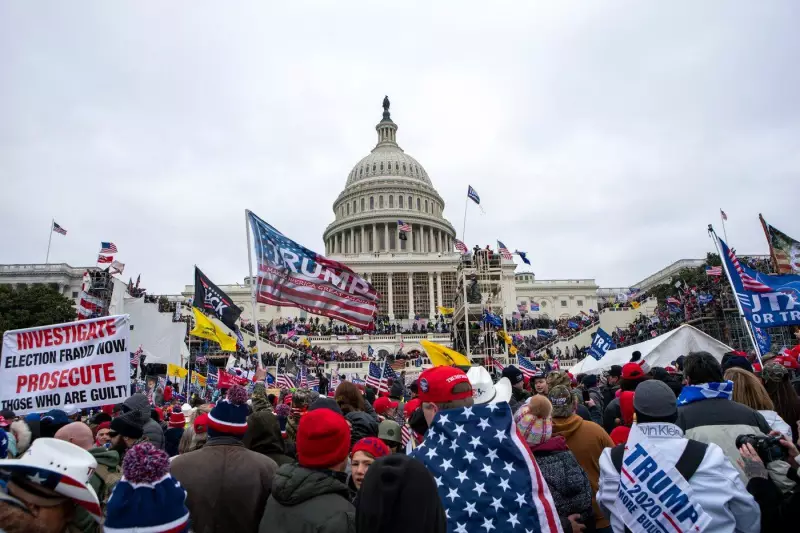
Five years after a violent mob stormed the United States Capitol, the anniversary of the January 6th attack serves as a stark reminder of the deep and persistent political divisions within the nation. The event, which aimed to disrupt the certification of the 2020 presidential election, continues to shape the political landscape and discourse.
A Day That Shook Democracy
On January 6, 2021, supporters of then-President Donald Trump breached the U.S. Capitol building in Washington, D.C. The rioters, who were rallying based on unfounded claims of election fraud, forced lawmakers to evacuate and halted the constitutional process of certifying Joe Biden's electoral victory. The images of chaos and violence, including confederate flags in the halls of Congress and assaults on police officers, were broadcast around the world.
The fifth anniversary of this event does not mark a point of national reconciliation but rather underscores the fresh divisions it created. Commemorations and statements from political leaders often reflect competing narratives about the day's events, its causes, and its significance for American democracy.

Competing Narratives and Lasting Impact
For many, January 6th represents a direct assault on democratic institutions—an unprecedented attempt to overturn a free and fair election. Investigations and congressional committees have detailed a multi-faceted effort to subvert the electoral process, leading to numerous criminal convictions and ongoing legal proceedings.
Conversely, a segment of the political spectrum, influenced by continued rhetoric from some figures, downplays the severity of the riot or promotes alternative interpretations of the events. This fundamental disagreement over recent history fuels ongoing political strife and complicates efforts to find common ground on other issues.
The Capitol as a Symbol of Division
The physical site of the attack, the U.S. Capitol, remains a powerful symbol. While security measures have been enhanced, the building is also the stage for the very political debates the riot sought to influence. The anniversary acts as a yearly referendum on the health of American politics, revealing how far apart the major parties remain on foundational questions about truth, governance, and the peaceful transfer of power.
The legacy of January 6th extends beyond U.S. borders, serving as a case study for allies and adversaries alike about the vulnerabilities of democratic systems. The event prompted widespread discussion in Canada and other democracies about protecting their own institutions from similar threats of misinformation and political violence.
As the years pass, the fundamental facts of January 6, 2021, are well-documented, yet its meaning remains fiercely contested. The fifth anniversary confirms that the deep wounds opened that day are far from healed, ensuring that the Capitol riot will influence American politics—and the world's perception of American stability—for years to come.