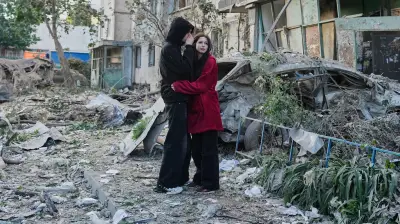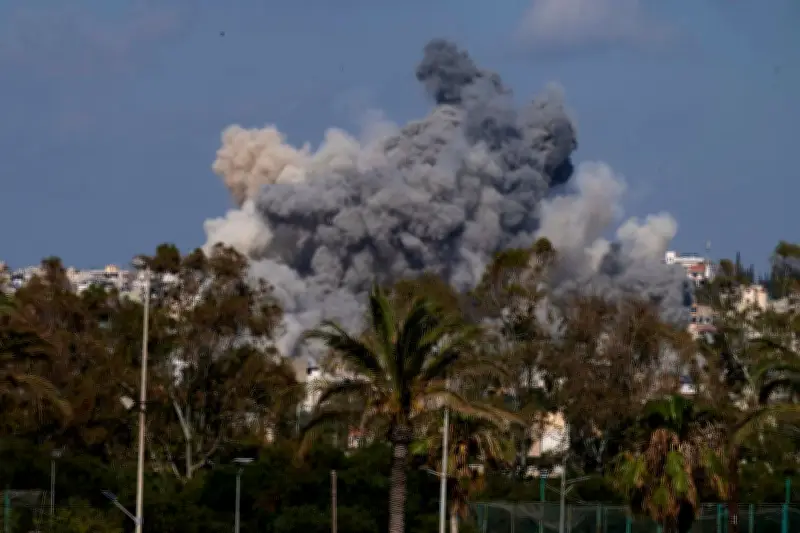
Israel launched airstrikes on Lebanon after a 'last chance' truce announcement, escalating tensions in the region. The strikes hit Burj al-Shamali village near the southern port city of Tyre on Tuesday, June 2, 2026, as seen in photos from the scene.
Background of the Conflict
The airstrikes came after a ceasefire proposal was announced, which Israeli officials described as a 'last chance' for peace. However, the truce was short-lived as Israeli forces resumed military operations against targets in southern Lebanon.
Impact on Civilians
Smoke billowed from the targeted areas, causing panic among residents. No casualties have been reported yet, but the strikes have raised fears of further escalation in the ongoing conflict between Israel and militant groups in Lebanon.

International Reaction
The international community has called for restraint, with the United Nations urging both sides to return to the negotiating table. The United States expressed concern over the violence, while Arab nations condemned the Israeli strikes.
Regional Tensions
The airstrikes mark a significant escalation in the region, as Lebanon has been grappling with political and economic crises. The conflict threatens to destabilize the area further, with potential repercussions for neighboring countries.
Military Analysis
Israeli defense officials stated that the strikes targeted militant infrastructure and weapons storage sites. The operation is part of a broader strategy to neutralize threats along the border, but critics argue it undermines peace efforts.
Humanitarian Concerns
Humanitarian organizations have warned of a growing crisis if the violence continues. The strikes have displaced families and damaged civilian infrastructure, including homes and schools.
As the situation develops, both sides remain entrenched in their positions, with no clear path to de-escalation. The international community continues to urge dialogue, but the prospects for a lasting truce remain uncertain.