Israel carried out a series of airstrikes on Beirut's southern suburbs, just days after a U.S.-backed ceasefire deal was reached. The strikes targeted areas known to be strongholds of Hezbollah, marking a significant escalation in the ongoing conflict.
Details of the Attack
The Israeli military confirmed the strikes, stating they were aimed at dismantling Hezbollah's military infrastructure. Witnesses reported multiple explosions and plumes of smoke rising from the suburbs. The attack comes despite international efforts to broker a lasting peace.
Casualties and Damage
Lebanese officials reported at least three fatalities and several injuries, with rescue teams searching through rubble for survivors. The strikes also caused widespread damage to residential buildings and infrastructure.

The United Nations and other international bodies have called for restraint, urging both parties to adhere to the ceasefire agreement. The U.S. State Department expressed deep concern over the violation and urged de-escalation.
Broader Context
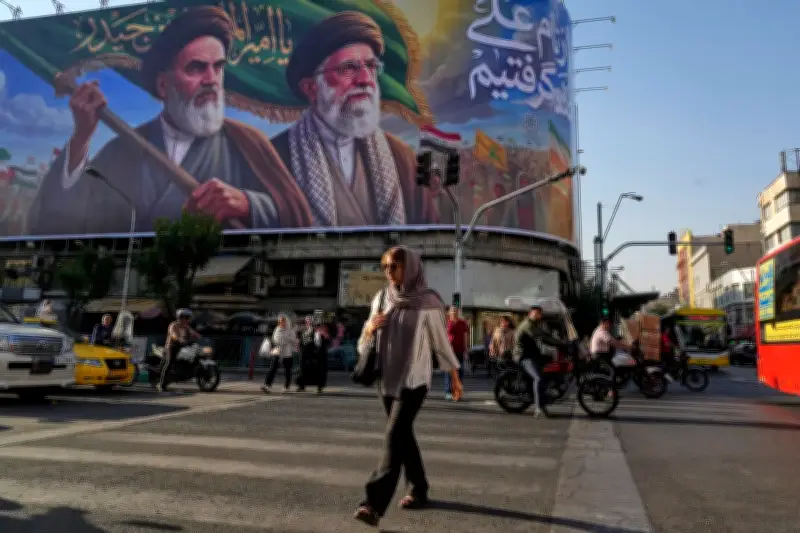
The airstrikes occur amid heightened tensions in the region, following the killing of Iran's Supreme Leader Ayatollah Ali Khamenei in February. Iran has vowed retaliation, further complicating the geopolitical landscape.
Hezbollah, backed by Iran, has vowed to respond to the strikes, raising fears of a wider conflict. The ceasefire, which was brokered by the U.S., aimed to halt hostilities that had displaced thousands and caused significant casualties.
International observers warn that the latest attacks could undermine the fragile peace and lead to a renewed cycle of violence. The situation remains volatile, with both sides mobilizing forces along the border.