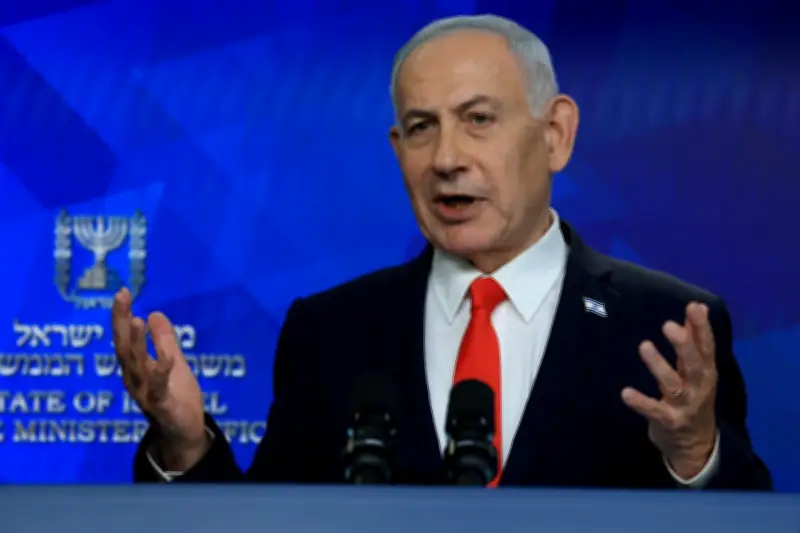
Israel will hold early elections on October 27, 2026, after the Knesset voted to dissolve itself, ending a coalition government that had been plagued by internal disputes. The decision, passed late Sunday, paves the way for a fifth national vote in under seven years as the country grapples with political instability.
Coalition Collapse Triggers Snap Vote
The dissolution motion was backed by 61 lawmakers in the 120-seat parliament, with the opposition and several coalition members supporting the move. Prime Minister Benjamin Netanyahu's government had struggled to maintain a majority after defections over judicial reform and budget disagreements. Under Israeli law, the election must be held within 90 days of the dissolution.
Netanyahu, who has been in power for a total of over 16 years, faces a tough reelection campaign amid corruption charges and public discontent over the cost of living. His Likud party is expected to battle centrist and right-wing rivals, including the National Unity party led by former Defense Minister Benny Gantz.

Political Paralysis Amid Security Concerns
The early election comes as Israel faces heightened security threats, including ongoing tensions with Iran and Palestinian militant groups. The political vacuum has raised concerns about decision-making on critical defense and diplomatic issues. According to a poll by the Israel Democracy Institute, 62% of Israelis believe the country is in a political crisis.
“This is a necessary step to break the deadlock,” said opposition leader Yair Lapid. “The public deserves a stable government that can address the real challenges.”
Fifth Election in Seven Years
Israel has held four elections since 2019, with the last one in November 2022 resulting in a narrow coalition led by Netanyahu. The current government, a coalition of Likud, religious parties, and the far-right, has been marked by infighting over policies on settlements, judicial changes, and ultra-Orthodox conscription. The election date of October 27 was chosen to avoid conflict with Jewish holidays.
The Knesset's dissolution also freezes pending legislation, including a controversial judicial overhaul that had sparked mass protests. The election campaign is expected to focus on security, economic inequality, and the role of religion in the state.