The Death of Iran's Supreme Leader: A Turning Point for the Nation
In a development that has sent shockwaves across the globe, Iranian state media has officially announced the death of Supreme Leader Ayatollah Ali Khamenei. This event, reported on February 28, 2026, represents a monumental shift in Iran's political landscape, with far-reaching consequences for both domestic governance and international relations.
Immediate Reactions and Global Fallout
The news has triggered immediate reactions from Iranian communities worldwide. In cities like Winnipeg and Regina, members of the Iranian diaspora have expressed a mix of hope and apprehension regarding the future of their homeland. Many view this moment as a potential catalyst for change, while others brace for uncertainty during the transition of power.
Internationally, the death raises critical questions about regional stability. Experts are already debating the legality and implications of recent military strikes involving Iran, with concerns mounting over potential escalations in the Middle East. The void left by Khamenei's leadership could reshape diplomatic dynamics, particularly in ongoing conflicts and nuclear negotiations.

Historical Context and Leadership Legacy
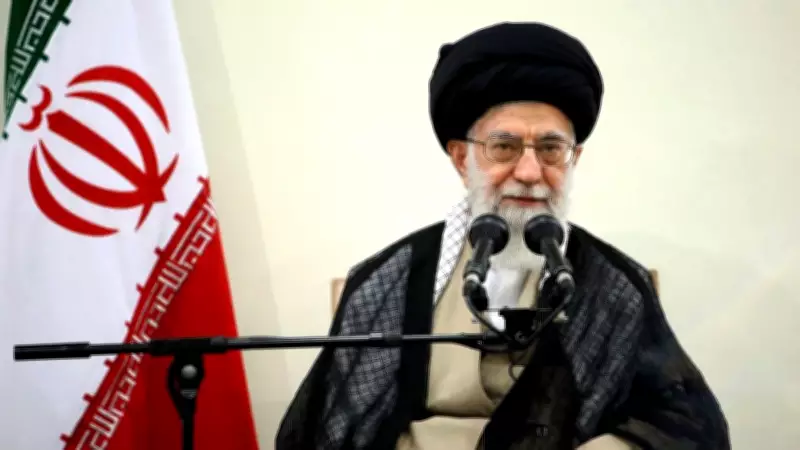
Ayatollah Ali Khamenei served as Iran's Supreme Leader for decades, wielding immense influence over the country's political, religious, and military affairs. His tenure saw Iran navigate complex relationships with global powers, economic sanctions, and internal dissent. A photo from September 2017, released by his office, shows him addressing the Experts Assembly in Tehran, a body crucial for selecting his successor.
Khamenei's death now thrusts Iran into a period of intense scrutiny as the process for appointing a new Supreme Leader begins. This transition is governed by Iran's unique political system, which blends theocratic and republican elements, making it a focal point for analysts predicting the nation's future trajectory.
Broader Implications for Security and Economy
The timing of this event coincides with other global developments, such as fluctuations in oil prices due to geopolitical tensions and debates over artificial intelligence safety. In Canada, discussions about foreign interference and security concerns with countries like India highlight the interconnected nature of modern international affairs.
As the world watches, the aftermath of Khamenei's death may influence everything from energy markets to defense strategies. The coming days will likely see increased diplomatic activity and potential unrest, underscoring the profound impact of this loss on a regional and global scale.