Iran's cowardly overnight attack on Wednesday on a civilian airport in Kuwait, which left dozens of people critically injured and claimed one life, is a stark reminder that the war is far from over, writes Mohamed Fahmy in a special column for National Post.
Attack Details
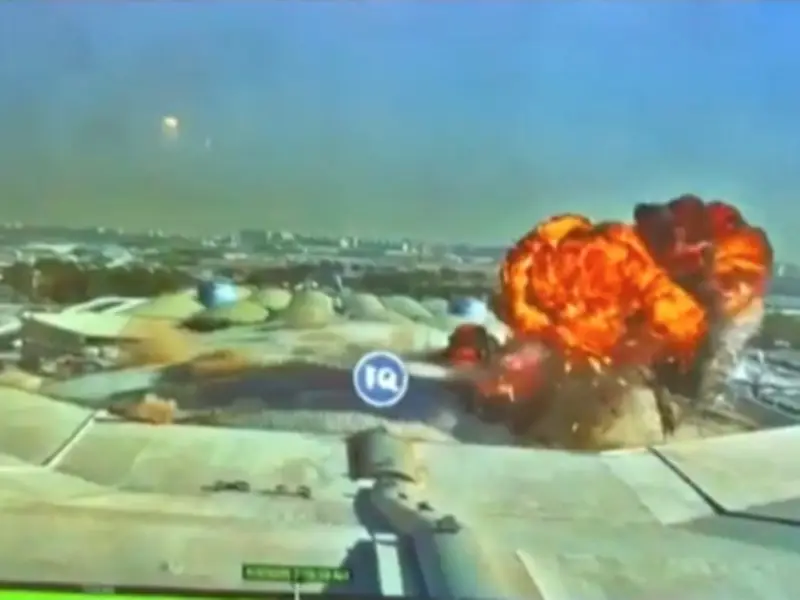
A Iranian drone strike on a passenger terminal at Kuwait International Airport killed one person and wounded 63 others, Kuwaiti officials confirmed. The attack occurred on June 3, 2026, and was captured on CCTV footage released by Kuwait's Directorate General of Civil Aviation. The victim was an Indian worker, and several of the wounded remain in critical condition, with some undergoing complex surgeries including amputations.
Iran's Justification
Iran defended the attack, which involved 13 ballistic missiles and 17 drones, as retaliation for a U.S. strike earlier that day on an Iranian oil tanker and targets on Qeshm Island. The U.S. action followed the vessel's alleged violation of the naval blockade of the Strait of Hormuz imposed on April 13. The Islamic Revolutionary Guard Corps vowed revenge, stating that 'disrupting the security of the Strait of Hormuz will carry a heavy price for the aggressive U.S. military.'

Why Kuwait?
Kuwait has been a key U.S. ally since the 1991 Gulf War, when the United States led the coalition that liberated Kuwait from Iraqi occupation. A formal 10-year Defense Cooperation Agreement granted the U.S. military access to Kuwaiti facilities, and it has been repeatedly renewed, entrenching a significant U.S. military footprint in the region. This makes Kuwait a target in the ongoing conflict between Iran and the U.S.-led coalition.
Broader Context
Mohamed Fahmy, who entered Kuwait at the start of the war in March and had to drive through the desert due to airport closures, notes that the airport had only just reopened two days before the attack. He argues that despite U.S. Secretary of State Marco Rubio declaring 'the war is over' during congressional hearings on Tuesday, the reality on the ground suggests otherwise. The conflict continues to disrupt global supply chains and drive up fuel costs, impacting consumers worldwide, including in Canada.
Kuwait and its Gulf neighbors, caught between protecting their sovereignty and hosting U.S. forces, bear the human, economic, and security consequences of a confrontation they neither sought nor wanted. The attack underscores the fragility of the ceasefire and the ongoing volatility in the region.