Iranian Canadians Express Horror Over Trump's Threat to Destroy Iran
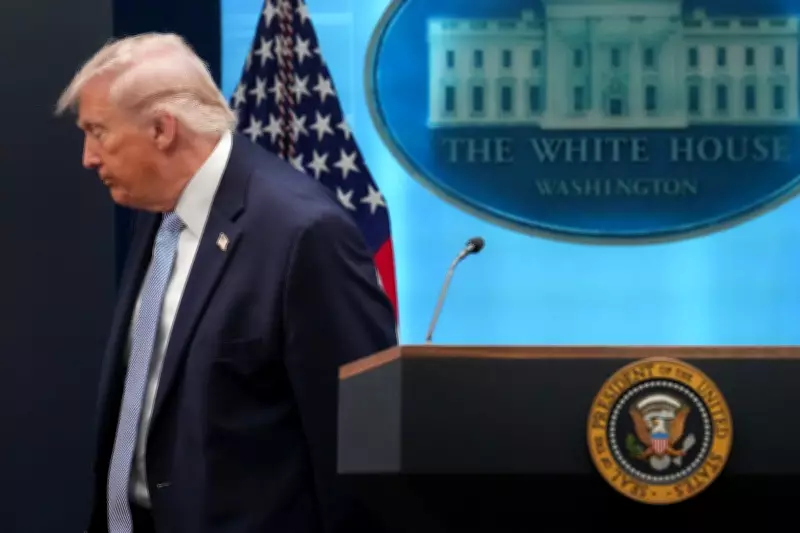
Members of the Iranian Canadian community are expressing profound horror and condemnation following a recent threat made by former U.S. President Donald Trump. During a news conference held in the James Brady Press Briefing Room at the White House on April 6, 2026, Trump issued a stark warning regarding negotiations with Iran.
A Stark Warning Labeled as Potential War Crime
Trump stated that if a deal with Iran is not reached, "a whole civilization will die tonight." This explicit threat to destroy Iran has been met with immediate backlash from Iranian Canadians and international law experts. Many within the community are labeling the statement as a potential war crime, citing its direct call for the annihilation of a nation and its people, which violates fundamental principles of international humanitarian law.
Violation of International Norms
The threat raises serious concerns about the erosion of diplomatic norms and the sanctity of international law. Such rhetoric, community leaders argue, dangerously escalates tensions and undermines decades of diplomatic efforts. The statement is seen not only as a threat to Iran but as an affront to global stability and the rules-based international order that Canada actively supports.

Community Reaction and Broader Political Context
The reaction from Iranian Canadians highlights the deep personal and collective anxiety caused by such geopolitical threats. Many have family and cultural ties to Iran, making Trump's words particularly distressing. This incident occurs within a broader political context, as noted by Canadian officials like Mark Carney, who have recently reiterated calls to respect international law. The threat starkly contrasts with these diplomatic appeals, showcasing a significant divergence in approaches to international conflict and negotiation.
Implications for Canadian Foreign Policy
The situation places Canadian foreign policy in a delicate position, given the country's close relationship with the United States and its commitment to multilateralism and human rights. Canadian leaders may face increased pressure to formally address and condemn such threats to uphold their stated values on the global stage. The incident serves as a potent reminder of the volatile nature of international relations and the real-world impact of political rhetoric on diaspora communities worldwide.