Iran Issues Stark Warning to Close Strait of Hormuz, Threatening Global Oil Flows
In a dramatic escalation of regional tensions, a senior Iranian Revolutionary Guards official declared on Monday that the Strait of Hormuz is closed, with Iran prepared to fire on any ships attempting to pass through. This explicit warning, reported by Iranian media, marks Tehran's most direct threat since announcing the closure of this critical export route over the weekend.
Ebrahim Jabari, a senior adviser to the Guards commander-in-chief, stated in remarks carried by state media, "The strait (of Hormuz) is closed. If anyone tries to pass, the heroes of the Revolutionary Guards and the regular navy will set those ships ablaze." This move threatens to choke approximately one-fifth of global oil flows, potentially sending crude prices sharply higher.
Background and Triggers of the Closure
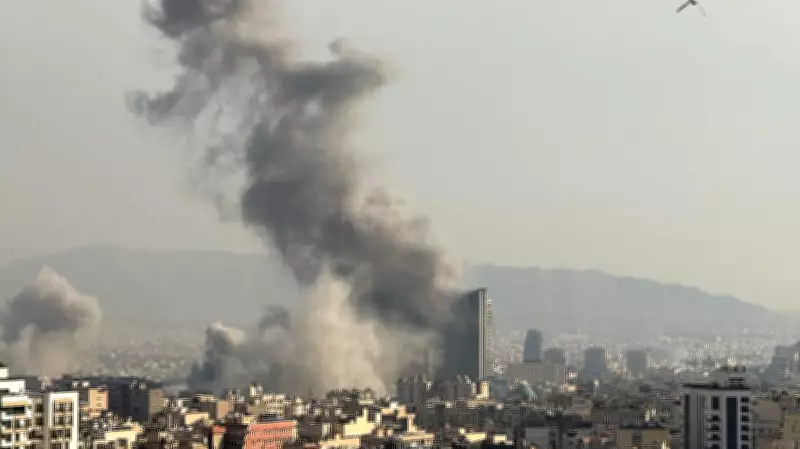
The closure was triggered by recent U.S. and Israeli strikes on Iran on February 28, which aimed to topple its leaders. In response, U.S. President Donald Trump offered assistance to Iranians in ousting the ruling clerics. Iran retaliated by firing multiple barrages of missiles at Gulf neighbors hosting U.S. military bases, including Qatar, Kuwait, and Bahrain, as well as targeting the United Arab Emirates, Saudi Arabia, and Oman.

This action fulfills years of threats from Tehran to block the narrow waterway in retaliation for any attacks on the Islamic Republic. The Strait of Hormuz, about 33 kilometers (21 miles) wide at its narrowest point, is the world's most vital oil export route, connecting major Gulf producers like Saudi Arabia, Iran, Iraq, and the United Arab Emirates with the Gulf of Oman and the Arabian Sea.
Global Implications and Market Concerns
With about 20% of the world's daily oil consumption passing through the strait, oil markets are closely monitoring tensions between Tehran and its longstanding foes, the U.S. and Israel. Fears of a full-blown conflict disrupting supplies and destabilizing the region have heightened anxiety among global stakeholders.
This development follows existing disruptions in global shipping linked to drone and missile attacks by Yemen's Iran-aligned Houthi militants. Since the Gaza war erupted in 2023, the group has targeted vessels in the Red Sea and the Gulf of Aden, compounding logistical challenges for international trade.
The situation underscores the fragile balance in Middle East geopolitics, with Iran's latest warning posing significant risks to energy security and economic stability worldwide. As events unfold, the international community watches closely, anticipating potential impacts on oil prices and regional peace.