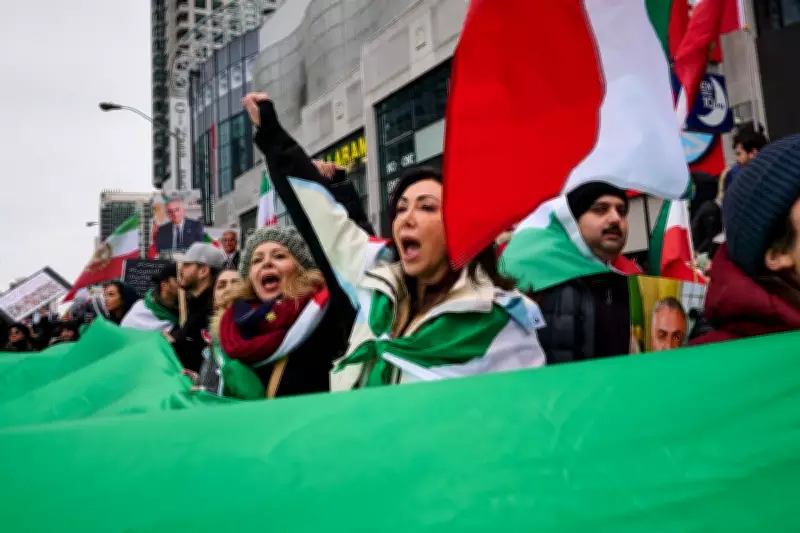
A Canadian scholar has tracked a notable increase in threats from Iran directed at the Iranian diaspora community. The findings come amid ongoing debates about the deportation of an Iranian official, which has sparked divided opinions among experts and community members.
Rising Threats Documented
The scholar, whose research focuses on transnational repression, reported a significant uptick in incidents involving intimidation, harassment, and direct threats linked to Iranian state actors. These actions appear aimed at silencing dissidents and critics abroad, particularly in Canada, which hosts a large Iranian diaspora population.
According to the study, the threats have escalated in recent months, coinciding with heightened political tensions between Iran and Western nations. The research highlights cases where individuals have received menacing messages, faced online surveillance, or been targeted through proxies.

Deportation Controversy
Simultaneously, the potential deportation of an Iranian official stationed in Canada has become a contentious issue. Some argue that removing the official could deter further hostile actions, while others caution that it might strain diplomatic relations or provoke retaliation.
Critics of the deportation point to the need for robust legal frameworks to address state-sponsored threats without resorting to measures that could be perceived as escalatory. They emphasize the importance of protecting diaspora communities through intelligence sharing and community support programs.
Supporters of the deportation, however, view it as a necessary step to uphold Canada's sovereignty and send a clear message against foreign interference. They argue that tolerating such threats undermines the safety and security of Canadian residents.
Broader Implications
The scholar's findings underscore a growing concern about the reach of authoritarian states into diaspora communities. Experts call for enhanced cooperation between law enforcement, intelligence agencies, and community organizations to counter these threats effectively.
As the debate continues, the Iranian diaspora remains vigilant, seeking assurances that their rights and safety will be protected. The situation highlights the complex interplay between national security, foreign policy, and human rights in an increasingly interconnected world.