Conflicting Claims on Iran Negotiations Amid Escalating Conflict
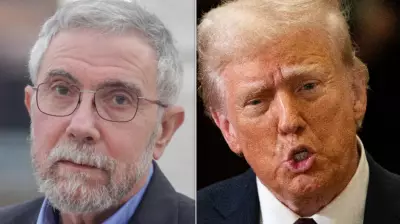
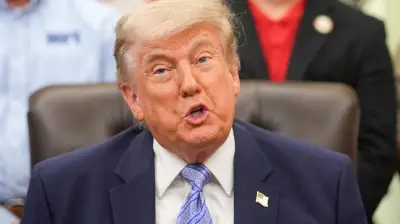
U.S. President Donald Trump asserted on Wednesday that Iran is desperate to reach a deal to end the nearly four-week-long war, directly contradicting statements from Iranian Foreign Minister Abbas Araqchi. Araqchi emphasized that while messages have been exchanged through intermediaries, there have been no formal negotiations or dialogue with the United States. This clash in narratives unfolds as the economic and humanitarian consequences of the conflict intensify, with fuel shortages spreading globally and prompting widespread efforts to mitigate the fallout.
Diplomatic Channels and Proposals
According to a senior Iranian official, Pakistan has delivered a U.S. proposal to Iran, with either Pakistan or Turkey potentially serving as venues for discussions aimed at de-escalating the Gulf war. Trump, however, has not specified who the U.S. is negotiating with in Iran, noting that many high-ranking officials have been killed since the conflict began on February 28, following attacks by the U.S. and Israel. Iran has retaliated with strikes against Israel, U.S. bases, and Gulf states.
In a significant development, Israel removed Iranian Foreign Minister Araqchi and parliamentary speaker Mohammad Baqer Qalibaf from its target list after Pakistan intervened, arguing that their elimination would leave no one to engage in talks. An Iranian embassy official in Islamabad indicated that discussions in Islamabad remain a possibility, with Pakistan being Tehran's preferred location, though nothing has been finalized.

Humanitarian and Economic Toll
The war has triggered the worst energy shock in history, with the closure of the Strait of Hormuz—a vital conduit for one-fifth of the world's oil and liquefied natural gas—disrupting supply chains and driving up costs across industries. Sultan Al Jaber, CEO of Abu Dhabi's ADNOC, condemned Iran's actions as "economic terrorism," warning that every nation is paying the price at gas pumps, grocery stores, and pharmacies.
The World Food Program estimates that tens of millions more people could face acute hunger if the conflict persists into June, as farmers and fishers struggle to source diesel. Governments are considering support measures reminiscent of those used during the COVID-19 pandemic to address the escalating crisis.
U.S. Proposal and Regional Demands
A 15-point U.S. proposal, conveyed through Pakistan, calls for reopening the Strait of Hormuz, dismantling Iran's stocks of highly enriched uranium, curbing its ballistic missile program, and cutting funding to regional allies. Israeli officials express skepticism about Iran's willingness to agree, fearing U.S. concessions and insisting on preserving Israel's option for pre-emptive strikes. Additionally, Iran has demanded that Lebanon be included in any ceasefire agreement with the U.S. and Israel.
Military Escalation and Global Reactions
Exchanges of missiles and drones continued on Thursday, with Israel conducting wide-scale strikes on Iranian infrastructure. Admiral Brad Cooper, leading U.S. forces in the Middle East, reported that over 10,000 targets inside Iran have been hit, significantly degrading Iran's naval capabilities and production facilities. The Pentagon is planning to deploy thousands of airborne troops to the Gulf, adding to Marine units already en route, to provide more options for a potential ground assault.
UN Secretary-General Antonio Guterres warned that the world is "staring down the barrel of a wider war" and urged a shift from escalation to diplomacy. Meanwhile, global stock markets faltered as optimism for a ceasefire waned, and oil prices resumed their surge. A Reuters/Ipsos poll found that 61% of Americans disapprove of U.S. military strikes in Iran, adding pressure on Trump to resolve the conflict ahead of the November midterm elections.