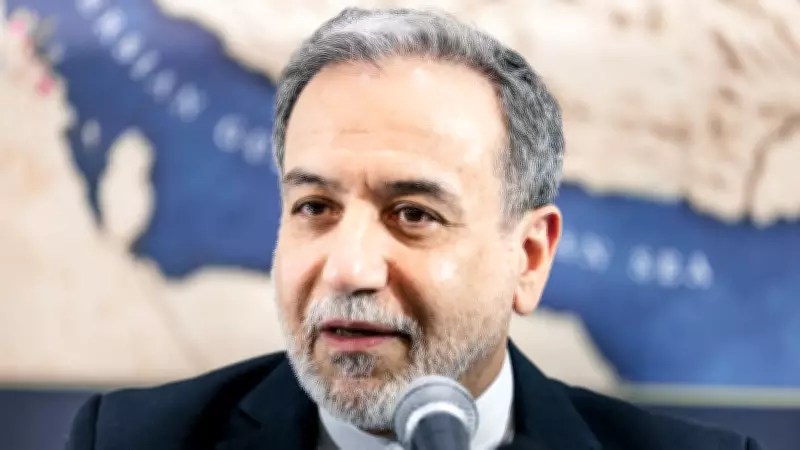
Iran's Foreign Minister Abbas Araghchi stated on Friday that a lack of trust remains the primary obstacle in negotiations to end the conflict with the United States. He indicated that Tehran would welcome diplomatic assistance, particularly from China, to help ease tensions.
Iran Expresses Doubts About US Intentions
Araghchi said contradictory messages from Washington have made Iran skeptical about the real intentions of Americans. "We are in doubt about their seriousness," he told reporters in New Delhi, adding that negotiations could move forward if the US is ready for a "fair and balanced deal."
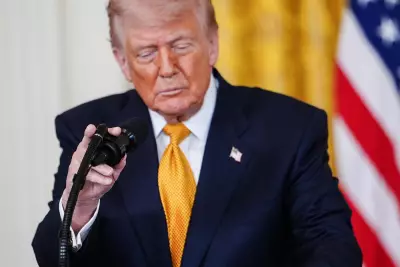
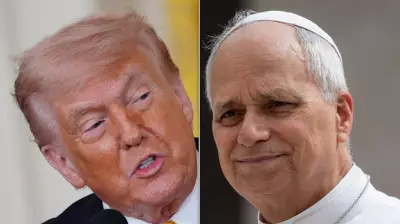
US President Donald Trump dismissed Iran's latest formal proposal as "garbage" earlier this week. While Iran's proposal reportedly included some nuclear concessions, Trump insists on removing highly enriched uranium from the country and preventing it from developing nuclear weapons. Iran maintains that its nuclear program is for peaceful purposes.

Strait of Hormuz Remains Flashpoint
The shaky ceasefire has left talks at a standstill, with tensions threatening to reignite open warfare and prolong the global energy crisis. Iran still controls the Strait of Hormuz, a vital waterway through which a fifth of the world's oil passed before the war, while the US blockades Iranian ports. Trump and Chinese President Xi Jinping agreed on Friday that the strait must be reopened.
China's Potential Diplomatic Role
Araghchi said Iran would welcome diplomatic support from other countries, especially China, citing Beijing's previous role in restoring ties between Iran and Saudi Arabia. "Chinese have a good intention. So anything that can be done by them to help diplomacy would be welcomed by the Islamic Republic of Iran," he said. Trump told Fox News that Xi had offered to help, though Beijing has shown little public interest in US requests to get more involved.
Pakistan also announced continued diplomatic efforts to ease regional tensions amid ongoing ceasefire proposals, but declined to disclose details or whether the US had formally responded. "The clock on diplomacy has not stopped. The peace process is working," said Foreign Ministry spokesperson Tahir Andrabi.
Enriched Uranium a Key Sticking Point
Trump demands a major rollback of Iran's nuclear activities, while Iran insists on its right to enrich uranium. Israeli Prime Minister Benjamin Netanyahu, who launched the war with Trump on Feb. 28, also demands removal of all highly enriched uranium from Iran. Araghchi described the enriched uranium stockpile as one of the most difficult issues in negotiations.
Russia previously offered to take the stockpile if Iran gives it up, but Araghchi said that proposal is not currently under active discussion, though it could be revisited if negotiations progress. "When we come to that stage, obviously we will have more consultations with Russia and see if the Russian offer can help or not. This is not something for the time being," he said.
UAE Speeds Up Pipeline Construction
The United Arab Emirates is accelerating completion of a new pipeline to export more oil without routing it through the Strait of Hormuz. Sheikh Khaled bin Mohammed bin Zayed Al Nahyan, crown prince of Abu Dhabi, directed state oil company ADNOC to expedite work on the pipeline. The existing pipeline carries 1.5 million barrels per day from western oil fields to the port of Fujairah on the Gulf of Oman. The new pipeline is expected to double export capacity through that port and become operational next year.