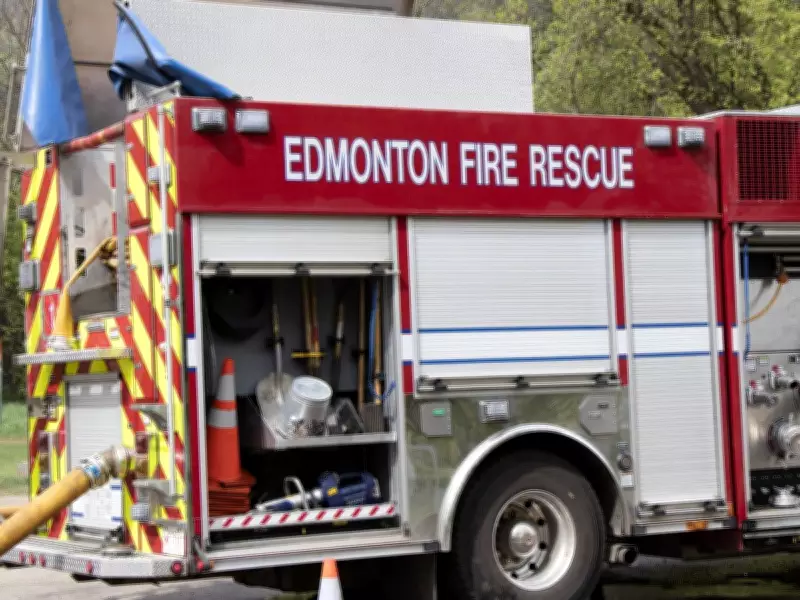
The City of Edmonton is scheduled to replace 37 fire trucks over the next budget cycle, but skyrocketing prices are raising concerns among city councillors. Fire truck costs have doubled since the COVID-19 pandemic, with no signs of slowing down, putting additional strain on an already tight budget facing a maintenance shortfall in the billions.
Doubling Prices Since COVID
The Canadian Association of Fire Chiefs estimates that a new fire truck now costs between $2 million and $3 million. This price surge means that replacing 37 vehicles will cost the city millions more than it would have just a few years ago. Councillor Michael Janz argues that the federal government must intervene, calling fire security a critical part of national defence.
“This is putting excessive profit-seeking ahead of public safety,” said Janz. “There’s no reason under the sun why fire trucks should be this expensive, especially as one of the greatest threats to our city and to our country is wildfires right now.” Janz believes Prime Minister Mark Carney should step in, emphasizing that fire trucks are essential for protecting against disasters like the Fort McMurray and Jasper fires.

Call for Nationalization
Janz suggests that the federal government should nationalize fire truck manufacturing and categorize the vehicles as critical infrastructure. “Edmonton taxpayers should not be on the hook because of our country’s failure to break up the monopolies,” he added. While some may oppose nationalization, similar concerns have been raised in the United States, where both Republicans and Democrats have criticized the emergency-vehicle industry.
In 2025, Indiana Senator Jim Banks, a Republican, and Massachusetts Senator Elizabeth Warren, a Democrat, launched an inquiry into rising fire truck costs. Banks stated, “While CEOs and shareholders pad their pockets, consolidation in the industry impedes firefighters’ ability to do their jobs safely and effectively, squeezes fire departments’ budgets, and forces taxpayers to bear the consequences.” He noted that private equity consolidation has led to higher costs, delivery delays, and a nationwide shortage of fire trucks.
Budget Strain and Maintenance Shortfall
Edmonton’s fire fleet is aging, with many trucks described as “duct-tape trucks” due to frequent repairs. The city faces a maintenance shortfall that compounds the challenge of replacing vehicles at inflated prices. Without federal intervention, local taxpayers may bear the full burden of these escalating costs.