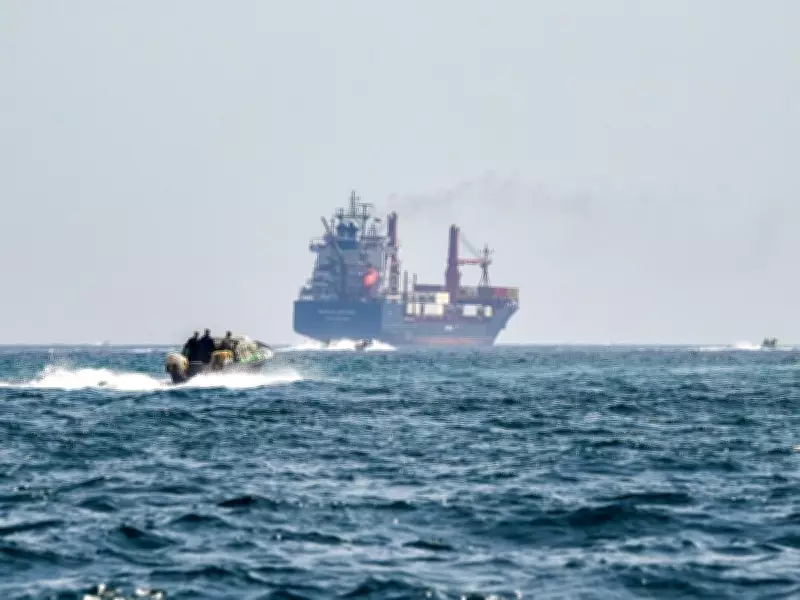
Iran is engaging in discussions with Oman to establish a permanent toll system that would formalize Tehran's control over maritime traffic through the Strait of Hormuz, according to Iranian officials. The move signals Iran's intention to maintain influence over the strategic waterway even after the current conflict ends, aiming to deter future attacks from the United States and Israel.
Iran's Proposal for a Toll System
Iran's ambassador to France, Mohammad Amin-Nejad, stated in an interview with Bloomberg in Paris that Iran and Oman must mobilize all resources to provide security services and manage navigation in the strait. He emphasized that those benefiting from the traffic should pay their share, describing the system as transparent. The proposal comes amid ongoing tensions and a fragile ceasefire between Iran and the US.
US Rejects the Plan
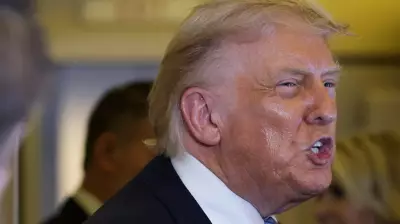
US President Donald Trump rejected the idea, asserting that the strait should remain open and free without tolls. Oman's government has not yet commented on the discussions. The Strait of Hormuz, a vital chokepoint for global energy supplies, has been a focal point of conflict since Iran effectively closed it in response to US-Israeli airstrikes in late February.

Impact on Global Trade
The security crisis has severely disrupted shipping in one of the world's most important trade routes. The strait normally handles about a fifth of global oil and liquefied natural gas supplies, along with other commodities. Iran has allowed only a few vessels through, while the US navy has blockaded Iranian ports since April 13, leading to soaring energy prices and global bond selloffs due to inflationary pressures.
Amin-Nejad claimed that traffic has not been completely interrupted, citing 26 tankers and ships transiting with the help of the Islamic Revolutionary Guard Corps between Tuesday and Wednesday. However, this number is far below the pre-war average of 135 ships per day. He attributed the decline to exorbitant insurance costs, but shipping companies cite risks of missile and drone attacks and sea mines as the main concerns.
Ceasefire and Peace Negotiations
Iran and the US agreed to a fragile ceasefire on April 8 and are exchanging messages via Pakistan about a potential peace deal. However, both sides remain far apart and have indicated readiness to resume hostilities. The toll system proposal is part of Iran's broader strategy to secure its interests in the region.