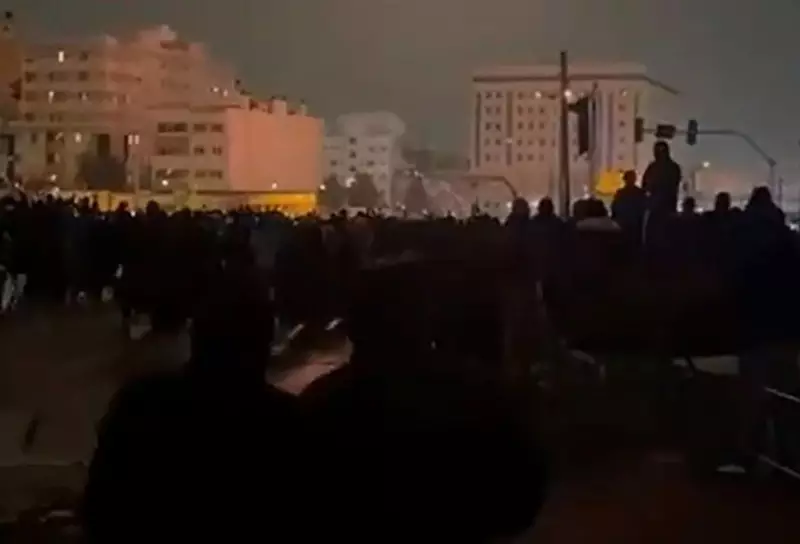
Iranian citizens defied a nationwide internet shutdown and took to the streets in renewed anti-government protests overnight, as international human rights organizations issued urgent warnings of a severe and deadly crackdown by authorities.
Protests Defy Blackout and Escalate
Despite a near-total internet blackout that has crippled communication for over 60 hours, videos emerged showing significant crowds gathering in several cities, including the capital Tehran and Mashhad in the east. The footage, shared through virtual private networks (VPNs) and other means, depicted scenes of unrest, with some images showing vehicles set ablaze. The protests, which began two weeks ago fueled by anger over the soaring cost of living, have evolved into a broader movement challenging the theocratic regime that has ruled Iran since the 1979 revolution.
Rights Groups Sound Alarm on Brutal Tactics
The U.S.-based Center for Human Rights in Iran (CHRI) stated it has received credible reports indicating that hundreds of protesters have been killed across the country during the internet shutdown. The group provided chilling details, alleging that security forces are using deliberate tactics, with many protesters suffering gunshot wounds to the eyes. They also reported that hospitals are overwhelmed and blood supplies are critically low.

Other monitoring groups have provided preliminary tolls. The U.S.-based Human Rights Activists News Agency confirmed at least 116 deaths linked to the protests, a figure that includes 37 members of security forces or officials. Activists caution that the information blackout makes verifying the true scale of the violence extremely difficult, and the actual death toll is feared to be far higher. Unverified videos circulating online purportedly show families identifying the bodies of slain protesters in a Tehran morgue.
Regime Response and Calls for Continued Action
Iranian Interior Minister Eskandar Momeni, in comments on state television, claimed acts of "vandalism" were decreasing. He accused protest leaders of steering demonstrations toward "destruction, chaos and terrorist acts." Meanwhile, the internet monitoring group Netblocks confirmed the prolonged shutdown, calling it a "direct threat to the safety and well-being of Iranians."
From exile, Reza Pahlavi, the son of Iran's deposed shah, who has been a vocal supporter of the protests, called for continued demonstrations. In a social media post, he addressed the Iranian people, stating, "Do not abandon the streets. My heart is with you. I know that I will soon be by your side." He claimed the widespread protests had severely weakened Supreme Leader Ayatollah Ali Khamenei's repressive apparatus.
The ongoing unrest represents one of the most significant challenges to the 86-year-old Supreme Leader's rule in recent years, unfolding in the shadow of regional tensions.